The Infinite Grid: Financing the Unprecedented Scale of the Global Intelligence Buildout
The contemporary surge in artificial intelligence infrastructure represents a capital bet larger than the combined historical investments in canals and railroads, reshaping global debt markets and energy security.
The global economy is currently navigating a structural transformation that renders previous industrial revolutions modest by comparison. While historical narratives often focus on the transformative power of the steam engine or the internal combustion motor, the physical infrastructure required to sustain the current expansion of artificial intelligence represents a capital commitment of unprecedented proportions. Recent data suggest that the cumulative expenditure on data centres and their supporting energy ecosystems now exceeds the adjusted historical costs of the transcontinental railroads and the national power grids combined. This is no longer merely a technological trend but a fundamental reshaping of global capital flows, as the demand for computational power collides with a new era of higher borrowing costs and constrained energy supply. The sheer scale of this buildout, often described as the largest economic bet in modern history, is beginning to exert significant pressure on sovereign debt markets and inflationary expectations, forcing a reassessment of the long-term relationship between technological progress and fiscal stability.
The Architecture of a New Industrial Age
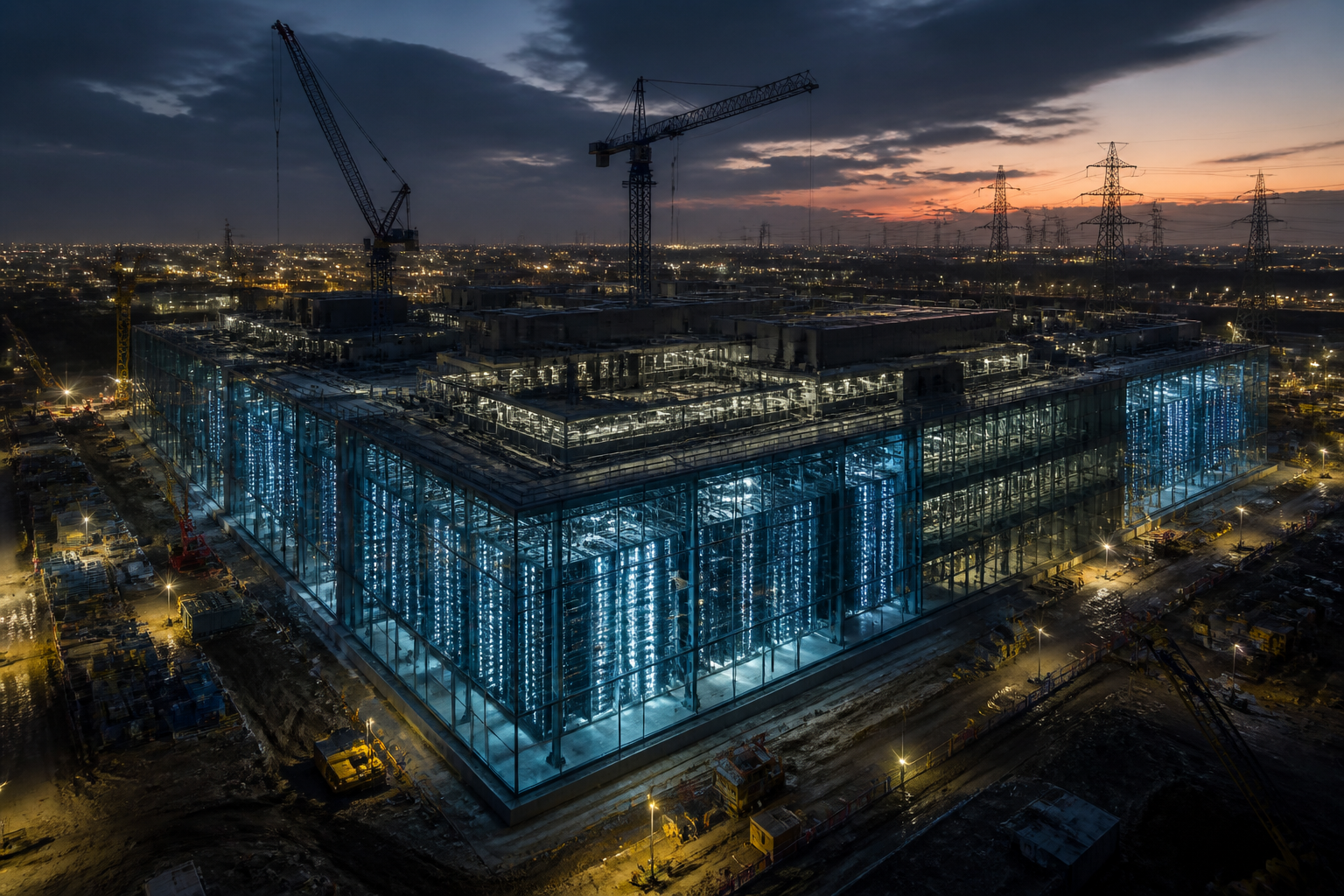
The physical manifestation of the digital age requires a level of tangible investment that belies the ethereal nature of the software it supports. Throughout the United States and Northern Europe, the construction of hyper-scale data centres has moved from the periphery of industrial activity to the centre of national economic strategy. These structures, often requiring several gigawatts of power to operate, are driving a renaissance in heavy construction and specialized engineering. BlackRock Investment Institute has recently highlighted that this accelerating buildout is adding significant pressure to already elevated government borrowing needs. The financing requirements for these projects are so vast that they are effectively competing with public sector debt, contributing to a environment where the cost of capital remains stubbornly high. This is what economists are calling the five per cent world, a reality where the cheap money of the previous decade has been replaced by a structural floor under interest rates, driven in part by the insatiable appetite for the physical components of the artificial intelligence revolution.
Monetary Tightening and the Infrastructure Premium
While the technology sector seeks to expand, it must do so against a backdrop of shifting monetary policy. The Bank of Japan recently tightened its monetary stance, a move that signals the end of the era of global liquidity that once cushioned large scale infrastructure projects. As central banks across the G7 maintain a cautious approach to rate cuts, the cost of financing the AI grid has become a significant factor in global inflation dynamics. The elevated prices for refined energy products, which remain high compared to crude oil benchmarks, further complicate the operational expenditure of these massive facilities. For infrastructure developers, the margin for error has narrowed significantly. The cost of copper, specialized semiconductors, and high voltage cooling systems has increased the capital intensity of these projects to a level where only the largest sovereign wealth funds and institutional investors can participate effectively. This concentration of capital reflects a broader trend where the development of critical infrastructure is becoming synonymous with national security and long-term economic sovereignty.
Regional Revitalisation and Municipal Growth
The impact of this infrastructure boom is not limited to global financial hubs, as it is increasingly felt at the local and municipal levels. In regions such as Hidalgo County, Texas, the creation of dedicated economic development programmes reflects a new urgency in improving local infrastructure to attract high technology investment. By focusing on the foundational elements of transport and power, smaller jurisdictions are attempting to capture the spillover effects of the broader digital expansion. Similarly, in Portland, Maine, the integration of professional sports and municipal infrastructure development serves as a case study in how diverse sectors can contribute to a state-wide economic footprint. The City of Portland recently noted that its professional sports teams generate an estimated one hundred and ten million dollars in annual statewide revenue, a figure that underscores the importance of multifaceted infrastructure planning. Whether it is a stadium or a server farm, the underlying requirement for robust logistical networks and reliable energy remains the constant driver of regional prosperity.
The Energy Dilemma and Utility Modernisation
One of the most profound challenges facing the current infrastructure cycle is the reconciliation of computational needs with energy sustainability. The demand for electricity from data centres is projected to double in several key markets by the end of the decade, placing a immense strain on ageing electrical grids. This has led to a peculiar situation where technology firms are becoming de facto energy companies, investing directly in nuclear power and renewable energy storage to ensure the continuity of their operations. The refined energy market remains under pressure, with prices for the fuels required to balance the grid remaining elevated. This volatility is a reminder that the digital economy is still tethered to the physical realities of resource extraction and processing. As utility companies struggle to upgrade their transmission lines to handle the new load, the debate over who should bear the cost of these upgrades, the private developers or the public taxpayers, is becoming increasingly contentious in both domestic and international politics.
Fiscal Implications of the Tech Driven Debt
The scale of U.S. financing demand, fueled by both the AI buildout and broader fiscal deficits, is creating a new dynamic in the bond markets. Institutional analysts are increasingly concerned that the sheer volume of debt issuance required to fund this technological transition could crowd out other forms of investment. Unlike the infrastructure booms of the twentieth century, which were often publicly funded and aimed at broad social utility, the current buildout is largely led by private corporations with global footprints. However, the external costs, such as the need for upgraded public utilities and the inflationary pressure on materials, are shared by the entire economy. This creates a complex fiscal environment where the benefits of technological leadership must be balanced against the risks of a debt-saturated market. The persistence of high borrowing costs suggests that the market is already pricing in a long-term demand for capital that shows no signs of abating, regardless of the short-term fluctuations in central bank policy.
A New Horizon for Global Infrastructure
Looking ahead, the successful integration of these massive technological investments into the global economy will depend on a sophisticated approach to infrastructure governance. The transition from a services-oriented digital economy to one rooted in massive physical hardware requires a rethink of how we value and finance long-term assets. We are likely to see a further professionalisation of the infrastructure asset class, with new financial instruments designed to bridge the gap between private technology needs and public utility requirements. The current bet on artificial intelligence is not merely a gamble on software capabilities but a foundational investment in the next era of industrial productivity. As these projects come online, they will redefine the economic geography of the twenty-first century, creating new hubs of power and wealth while demanding a level of resource management that will test the limits of global cooperation. The coming years will reveal whether this unprecedented capital allocation will yield the productivity gains promised, or whether the weight of the debt and energy demands will require a more radical restructuring of our economic priorities.