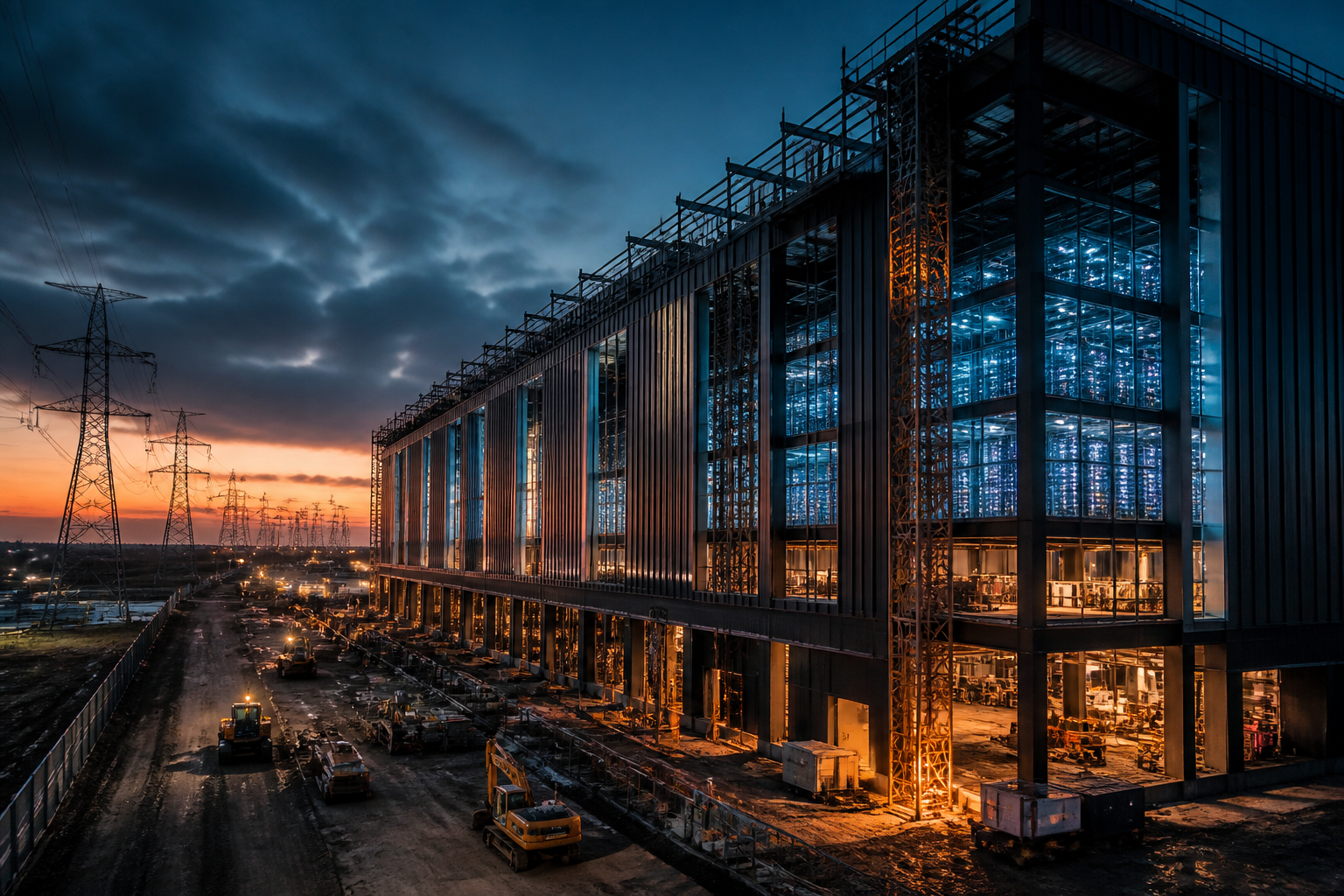
The High Cost of Intelligence: Navigating the Global AI Infrastructure Buildout
A deep analysis of the systemic pressures exerted by the AI infrastructure surge, examining the convergence of elevated borrowing costs, rising energy premiums, and the strategic realignment of global trade and power.
The global economy is currently navigating a period of profound structural transition, marked by a monumental capital injection into artificial intelligence infrastructure that threatens to dwarf all prior industrial expansions in the history of the United States. This surge in spending is occurring within a precarious macroeconomic environment, where the traditional pillars of cheap credit and stable energy costs have been replaced by what analysts at the BlackRock Investment Institute describe as a five percent world. As the Bank of Japan shifts away from its historical stance by tightening monetary policy and the Trump administration attempts to recalibrate trade relations with Beijing, the sheer scale of the required data centre buildout is placing immense pressure on sovereign debt markets. This intersection of technological ambition and fiscal reality suggests that the infrastructure of the next decade will be defined not just by silicon and fibre, but by the increasingly high cost of the capital and energy required to sustain it.
The Financial Imperatives of a Digital Arms Race
The scale of the American commitment to artificial intelligence infrastructure represents perhaps the single largest economic bet in the history of the nation. Unlike previous technological booms, the current expansion is exceptionally capital-intensive, requiring vast sums of liquidity to fund the construction of hyper-scale data centres and the acquisition of sophisticated semiconductors. Jeff Bezos, for instance, has committed thirty billion dollars of his personal fortune to Blue Origin, yet even such significant private investments are being outpaced by the systemic needs of the broader AI ecosystem. This massive financing demand is converging with elevated government borrowing needs, creating a competitive environment for capital that keeps yields high. The persistent nature of these borrowing costs suggests that the era of low-interest infrastructure financing has come to a definitive end, forcing firms to re-evaluate their long-term balance sheets in a high-interest environment.
Energy Volatility and the Refining Premium
While crude oil prices have shown intermittent periods of stability, the cost of refined energy products remains stubbornly high, posing a significant challenge to the operational feasibility of energy-intensive infrastructure projects. According to recent data from Deloitte Insights, the premium on refined products reflects a complex interplay of limited refining capacity and heightened global demand. In regions like Pennsylvania, the manufacturing sector has found a temporary reprieve through increased global demand for United States energy exports and a resurgence in domestic defense spending, yet the underlying pressure of energy costs remains a systemic risk. The AI buildout requires not only electricity but a resilient and expandable power grid, a task made more difficult by the fact that the cost of the fuels required to power these facilities is no longer predictable. As the demand for data processing grows, the infrastructure desk anticipates a widening gap between energy availability and the requirements of the next generation of computing.
Monetary Tightening and the End of the Carry Trade
The decision by the Bank of Japan to tighten monetary policy marks a significant turning point for global liquidity. For decades, the yen-denominated carry trade provided a source of low-cost funding for international infrastructure projects, including those in the technology sector. The shift toward higher rates in Tokyo, coupled with the hawkish stance of other central banks, signifies that the global pool of cheap money is evaporating. This transition is particularly problematic for the AI sector, which has relied on forward-looking valuations and easy access to credit to fund its massive research and development cycles. As borrowing costs rise, the cost-benefit analysis of building massive data installations in the United States and Europe is being rewritten. Investors are now demanding more immediate returns on these infrastructure assets, a shift that could lead to a consolidation of the market where only the most well-capitalised players, such as Microsoft, Alphabet, and Amazon, can survive.
Geopolitical Realignment and Trade Stability
The ongoing summit between the Trump administration and President Xi Jinping highlights the fragile state of global trade relations, which remain central to the technology supply chain. The effort to stabilise ties is driven by a mutual recognition that the AI infrastructure buildout depends on a highly integrated global network of component manufacturing and raw material extraction. However, the shadow of the Iran War and the associated legislative battles in the United States Senate continue to inject geopolitical uncertainty into the markets. Any disruption in the supply of critical minerals or the manufacturing of advanced networking equipment could stall the buildout, leading to stranded assets and wasted capital. The strategic importance of maintaining a stable supply chain for semiconductors has moved from a corporate concern to a matter of national security, further complicating the investment landscape for private equity and institutional lenders who are funding these projects.
Domestic Resilience and Regional Disparities
Within the United States, the economic impact of this infrastructure surge is being felt unevenly. In the Middle Atlantic region, encompassing New Jersey, New York, and Pennsylvania, the manufacturing recovery is providing a steady base for expansion, yet non-farm payrolls remain largely stagnant. This suggests that while capital investment is high, the labour-intensive benefits of the AI boom have yet to materialise for the broader workforce. The oil and gas sector in Pennsylvania continues to benefit from the global energy crisis, providing a buffer against the broader economic cooling, but the reliance on heavy industry and energy extraction makes the region vulnerable to long-term shifts in environmental policy and technological obsolescence. The challenge for policymakers will be to ensure that the infrastructure buildout supports sustainable regional growth rather than creating isolated pockets of high-technology activity surrounded by economic stagnation.
A Forecast of Fiscal Restraint and Innovation
Looking ahead, the trajectory of the AI infrastructure buildout will be determined by the ability of the global financial system to absorb the twin shocks of high interest rates and massive capital requirements. We expect that the coming years will see a more disciplined approach to infrastructure investment, as the five percent world forces a departure from the speculative excesses of the previous decade. The integration of AI into the broader economy will likely continue, but the pace of the buildout may slow as firms grapple with the reality of elevated borrowing costs and the logistical challenges of expanding the global power grid. The primary winners will be those who can secure long-term energy contracts and maintain robust balance sheets in the face of persistent inflation. While the promise of artificial intelligence remains vast, the road to its full realisation is paved with significant fiscal and physical hurdles that will require a sophisticated, analytical approach to infrastructure management and capital allocation.