The High Cost Of Intelligence: Infrastructure Financing In A Fragmented Global Order
A deep analysis of the confluence between the massive capital demands of AI data centres and the fiscal constraints of a high-interest environment, framed by ongoing geopolitical tensions and the energy price surge.
The global infrastructure sector, long the bedrock of sovereign stability, now finds itself at the precipice of a profound structural realignment. As the final quarter of 2026 approaches, the convergence of unprecedented technological demand and a stubbornly restrictive monetary environment has created a paradox for policymakers. The Bank of Japan recently tightened its monetary stance, a move that signals the end of the era of cheap yen-denominated financing that once greased the wheels of international development. Simultaneously, the relentless expansion of artificial intelligence requires a capital outlay of such magnitude that it is beginning to distort traditional debt markets. This digital arms race is not occurring in a vacuum, rather, it is unfolding against a backdrop of heightened geopolitical friction, most notably in the Middle East, where conflict involving Iran has pushed energy prices, particularly diesel, to near-record highs. For the infrastructure investor, the calculus has shifted from a search for yield to a desperate scramble for energy security and fiscal headroom.
The Fiscal Gravity Of The Silicon Revolution
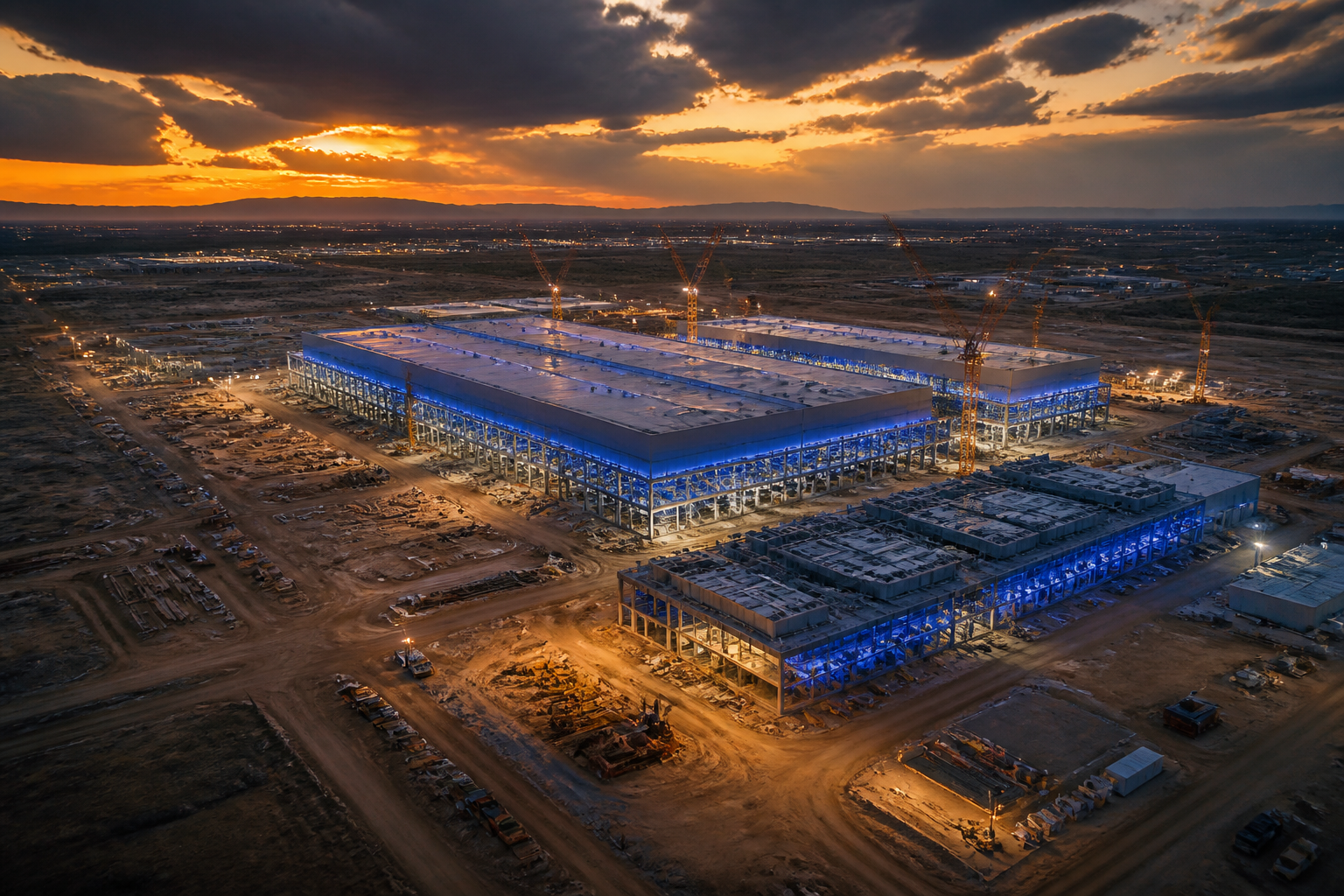
The scale of the financing required to sustain the current trajectory of artificial intelligence is almost without historical precedent. Analysis from the BlackRock Investment Institute suggests that the buildout of data centres and the necessary power grids to support them is putting immense pressure on government borrowing needs, particularly in the United States. In what many economists are calling the five per cent world, the cost of servicing the debt required to fund these massive projects has become a primary concern for institutional investors. Unlike the software booms of previous decades, the AI revolution is heavily dependent on physical assets, requiring massive amounts of land, water for cooling, and, most crucially, reliable electricity. This demand is competing directly with the capital needs of sovereign states, which are already grappling with the tail-end of inflationary pressures and the need to refinance pandemic-era obligations. The result is a persistent upward pressure on long-term yields, which threatens to crowd out smaller, essential infrastructure projects in favour of high-yield technological hubs.
Energy Volatility And The Infrastructure Bottleneck
Infrastructure development is inherently energy-intensive, and the recent spike in refined energy products has sent shockwaves through the global construction sector. While crude oil prices have shown some volatility, the prices of refined products like diesel and jet fuel have remained stubbornly elevated. The ongoing conflict in the Middle East, specifically the tensions involving Iran, has disrupted key supply chains and added a significant risk premium to the energy markets. For projects in the United Kingdom, where the Bank of England remains wary of sticky inflation, these rising fuel costs make further interest rate hikes difficult to avoid. This creates a double-edged sword for infrastructure developers, as they must contend with both the rising cost of physical materials and the increasing cost of the capital required to purchase them. In regions like Steubenville, where local leaders are attempting to leverage new business activity to reverse population decline, these macro-economic headwinds present a significant barrier to the completion of vital public works.
Regional Resilience And The New Economic Development Model
Despite the overarching gloom of global markets, local and regional entities are increasingly taking matters into their own hands through strategic partnerships. In the United States, Hidalgo County has demonstrated the efficacy of a decentralised approach to economic development. By partnering with the U.S. Department of Commerce Economic Development Administration, local authorities in Hidalgo are bypassing some of the broader market inertia to fund specific, high-impact projects. This model of targeted, grant-supported infrastructure is becoming a blueprint for regions that are not directly tied to the primary AI or energy corridors. It highlights a growing trend where infrastructure is no longer viewed as a monolithic national project, but rather as a series of modular, regional initiatives designed to foster local resilience. The success of these projects often hinges on their ability to demonstrate immediate economic utility, such as facilitating cross-border trade or supporting local manufacturing hubs, rather than relying on long-term speculative growth.
The Monetary Pivot And The Cost Of Capital
The decision by the Bank of Japan to tighten monetary policy marks a symbolic end to the global hunt for low-cost liquidity. For years, the carry trade provided a reliable stream of capital for infrastructure projects across the emerging markets and the developed world alike. With the Japanese central bank moving towards a more conventional stance, the global pool of cheap capital is evaporating. This shift is particularly acute for the infrastructure sector, which relies on long-duration financing. As Deloitte Insights has noted, the persistence of elevated prices for refined energy products, coupled with higher interest rates, means that the hurdle rate for new projects has risen significantly. Institutional investors are now demanding greater transparency and more robust risk-mitigation strategies before committing to twenty-year cycles. This new reality is forcing a re-evaluation of public-private partnerships, as governments can no longer rely on the private sector to absorb the lion's share of the financial risk in an environment of rising rates.
The Geopolitical Risk Premium In Physical Assets
Geopolitics has returned as the primary driver of infrastructure strategy. The potential for a wider conflict in the Middle East has reminded global planners of the fragility of maritime trade routes and energy pipelines. This has led to a renewed focus on near-shoring and the development of internal infrastructure that reduces reliance on volatile regions. In the United Kingdom, the appointment of new policy directors within the Labour party suggests a pivot towards a more interventionist industrial strategy, aimed at securing domestic energy supplies and modernising the national grid. The goal is to insulate the domestic economy from the types of price shocks currently being driven by the Iran war. However, such transitions are costly and require decades of consistent investment. The challenge for the current generation of leaders is to maintain public support for these expensive long-term projects at a time when consumer confidence is being eroded by the immediate cost of living crisis.
Analytical Outlook For The Infrastructure Asset Class
Looking ahead, the infrastructure sector is likely to undergo a period of intense consolidation. The projects that will thrive are those that sit at the intersection of energy security and technological necessity. We anticipate that the financing of data centres will increasingly resemble utility financing, with long-term power purchase agreements becoming the primary collateral for debt issuance. Furthermore, the role of state-backed development banks will become more prominent as they step in to fill the void left by private capital that has been scared off by high interest rates. The next eighteen months will be a testing ground for the resilience of the global financial system as it attempts to fund the twin transitions of decarbonisation and digitisation. While the costs are undoubtedly high, the price of inaction, characterized by decaying grids and obsolete digital architecture, is far higher. Investors and policymakers must prepare for a decade defined by fiscal discipline, where the allocation of capital is dictated not by the abundance of liquidity, but by the strategic necessity of the asset in a fractured world.