Securing the Future of Global Sustenance Through Strategic Capital and Climate Resilience
This editorial examines the recent wave of billion-dollar agricultural investments from Canada to New York, and the EU's climate initiatives, as the agrifood sector transitions from traditional farming to a high-tech, resilient asset class.
The global agrifood complex stands at a critical juncture, navigating a landscape defined by volatile trade dynamics, geopolitical instability, and the accelerating exigencies of the climate crisis. For decades, the sector operated on the periphery of high-finance discourse, often viewed as a cyclical, low-margin industry tethered to the vagaries of weather and local subsidy regimes. However, a profound transformation is underway. As COVID-19 recalibrated consumer spending behaviours and exposed the fragility of cross-border supply chains, the imperative for sovereign food security has ascended to the top of the economic agenda. From the expansive grain corridors of Canada to the water-intensive dairy regions of New York State and the subsistence landscapes of Afghanistan, a new paradigm of capital deployment is emerging. This is no longer merely about yields, it is about the systemic resilience of the human caloric supply chain in an era of unprecedented unpredictability.
The Sovereign Response to Supply Chain Fragility
The Canadian government has recently underscored this shift through a significant intervention via Farm Credit Canada, establishing a one billion dollar Agri-food Project Finance Fund. This initiative, supplemented by a one hundred and fifty million dollar allocation to Velocity Agri-Capital Partners, signals a strategic pivot toward large-scale infrastructure and innovation. The primary objective is to bolster domestic processing capacity and reduce reliance on external markets that have become increasingly unreliable due to trade frictions and global conflicts. By providing the necessary liquidity for capital-intensive projects, Ottawa is attempting to insulate its agricultural sector from the shocks that have characterised the post-pandemic era. This level of state-backed financing reflects a growing consensus that food security is a fundamental pillar of national security, requiring the kind of long-term patient capital that private markets often fail to provide during periods of high interest rates and macroeconomic uncertainty.
Protecting the Ecological Foundations of Production
While Canada focuses on industrial-scale financing, the State of New York has directed its attention to the environmental externalities that threaten the longevity of farming. Governor Kathy Hochul has announced twenty-five million dollars in funding specifically targeted at helping farmers protect water quality. This move acknowledges that the agricultural industry is both a victim of and a potential contributor to environmental degradation. By incentivising the adoption of best management practices, the state aims to mitigate the runoff of nutrients and sediments into vital watersheds, thereby ensuring that the natural resources required for future production remain viable. This focus on water stewardship is particularly relevant as the 2026 Great New York State Fair approaches, serving as a platform to demonstrate that ecological health and economic productivity are not mutually exclusive. The investment represents a broader trend in developed economies where the social licence to operate for agrifood companies is increasingly tied to their environmental footprint.
Bridging the Gap in Emerging Markets
The challenges of the agrifood sector are even more acute in regions where climate change intersects with political instability. The European Union and the Food and Agriculture Organisation of the United Nations have launched a five million euro initiative in Afghanistan, designed to foster climate-resilient agriculture. This project aims to provide Afghan farmers with the tools and market access necessary to build sustainable livelihoods amidst recurring droughts and economic isolation. Unlike the massive infrastructure funds seen in North America, these targeted interventions focus on the micro-level resilience of smallholders. The goal is to create a buffer against climate shocks that can lead to mass migration and regional instability. This demonstrates that global food security is a multifaceted challenge requiring a tiered approach, ranging from billion-dollar project finance to localized support for the most vulnerable actors in the value chain.
The Evolution of Consumer Demand and Market Dynamics
The internal mechanics of the agrifood market are also undergoing a significant realignment driven by changing consumer preferences. Since the onset of the pandemic, there has been a documented shift in how individuals interact with food systems, with a greater emphasis on traceability, health, and ethical sourcing. This change in demand is forcing producers to adopt new technologies, from blockchain-based tracking to precision agriculture tools that minimize chemical inputs. These technological requirements demand significant upfront investment, further justifying the need for the specialized finance funds recently established by institutions like Farm Credit Canada. As consumers become more discerning, the competitive advantage in the global market will likely shift toward those producers who can demonstrate both efficiency and transparency in their operations. This is no longer a commodity market governed solely by price, it is a complex value-added sector where information is as valuable as the physical product.
Strategic Capital as a Catalyst for Innovation
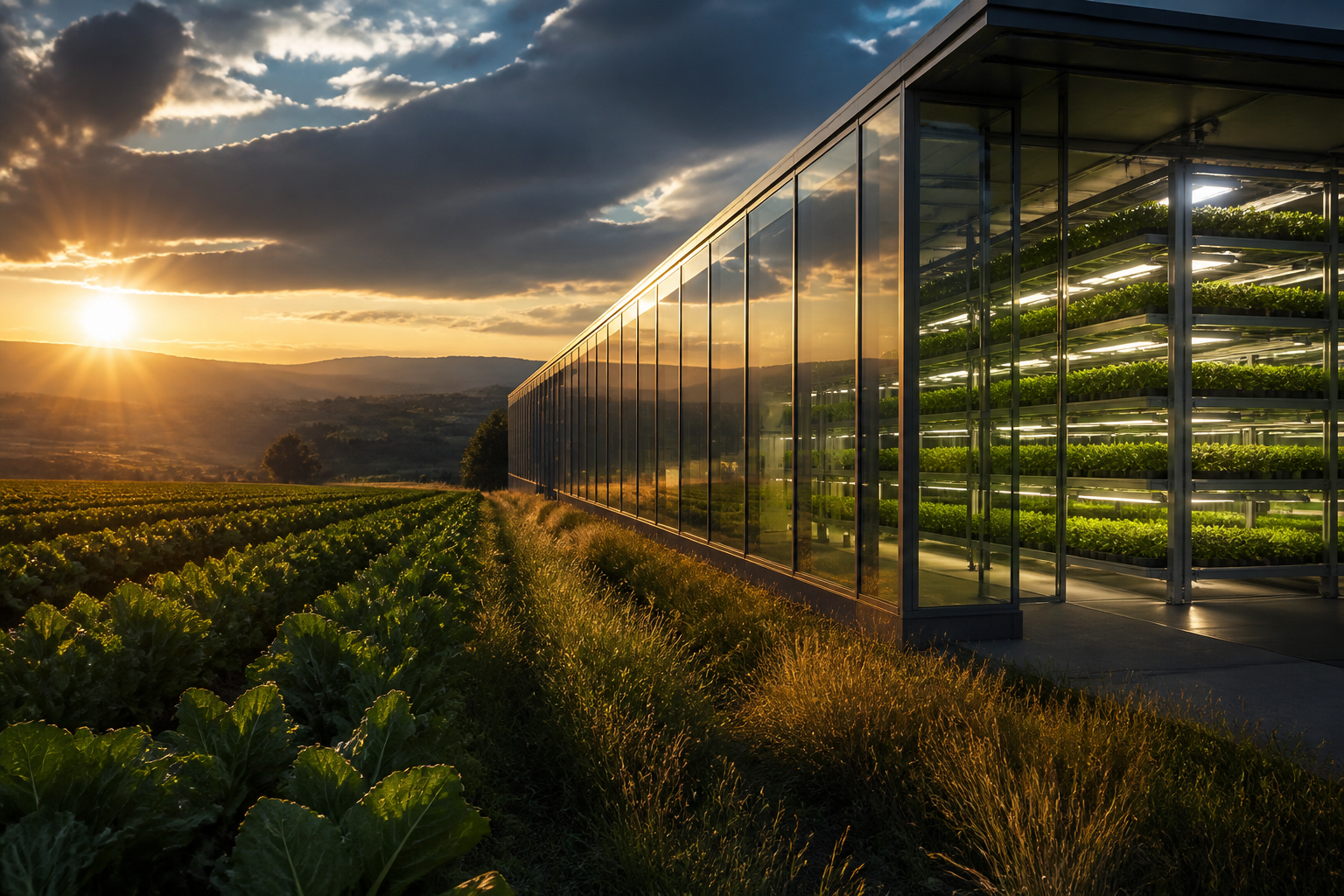
The involvement of entities such as Velocity Agri-Capital Partners highlights the growing role of venture capital and private equity in the agricultural space. These firms are looking beyond traditional farm ownership toward the high-growth potential of agtech, including alternative proteins, vertical farming, and genomic research. The injection of one hundred and fifty million dollars into this specific fund indicates a belief that the next generation of agricultural productivity will come from laboratory-driven innovation rather than just land expansion. By bridging the gap between state funding and private sector agility, these partnerships aim to accelerate the commercialisation of technologies that can make food production more efficient and less resource-intensive. This influx of sophisticated capital is transforming the sector into a high-tech industry that competes for the same talent and investment as the software and biotechnology sectors.
Policy Interventions and the Path Forward
Looking ahead, the success of these massive financial commitments will depend on the ability of policymakers to create a coherent regulatory environment that supports both growth and sustainability. The New York Department of Agriculture and Markets, for instance, is actively seeking input for programs that support farmers, recognising that top-down mandates are less effective than collaborative frameworks. The integration of climate resilience into every level of the agrifood value chain is no longer an optional luxury but a structural necessity. As global trade dynamics continue to evolve, nations that invest in their domestic production capacity while simultaneously fostering international cooperation for climate adaptation will be best positioned to weather the storms of the twenty-first century. The transition toward a more resilient and technologically advanced agrifood system is a multi-decade project, but the recent wave of investment suggests that the momentum is now irreversible. The focus must remain on ensuring that these funds translate into tangible improvements in soil health, water quality, and food accessibility for all segments of the global population.