The Resurgence of Hydrocarbons Amidst the Global Technological Expansion
This editorial explores the unexpected revitalisation of the oil and gas sectors driven by the insatiable energy requirements of the digital economy, questioning the immediate feasibility of the energy transition.
The global energy landscape is currently navigating a paradoxical epoch where the ambitions of a green transition are being met with the stubborn realities of industrial demand and technological acceleration. Whilst the narrative of the past decade has been dominated by the inevitable decline of fossil fuels, recent market activity suggests a far more complex trajectory. The resurgence of interest in traditional energy equities, evidenced by the NYSE Energy Sector Index ascending by three point four per cent and the State Street Energy Select Sector SPDR ETF gaining four per cent in recent sessions, signals a significant recalibration of investor expectations. This shift is not merely a cyclical fluctuation but rather a fundamental response to the staggering electricity requirements of the burgeoning artificial intelligence sector and the expansive data centre infrastructure necessary to support it. As the digital economy grows, the reliance on high-uptime, high-density power sources has brought natural gas and traditional petroleum products back to the forefront of the geopolitical and economic discourse.
The Digital Impulse and Natural Gas Demand
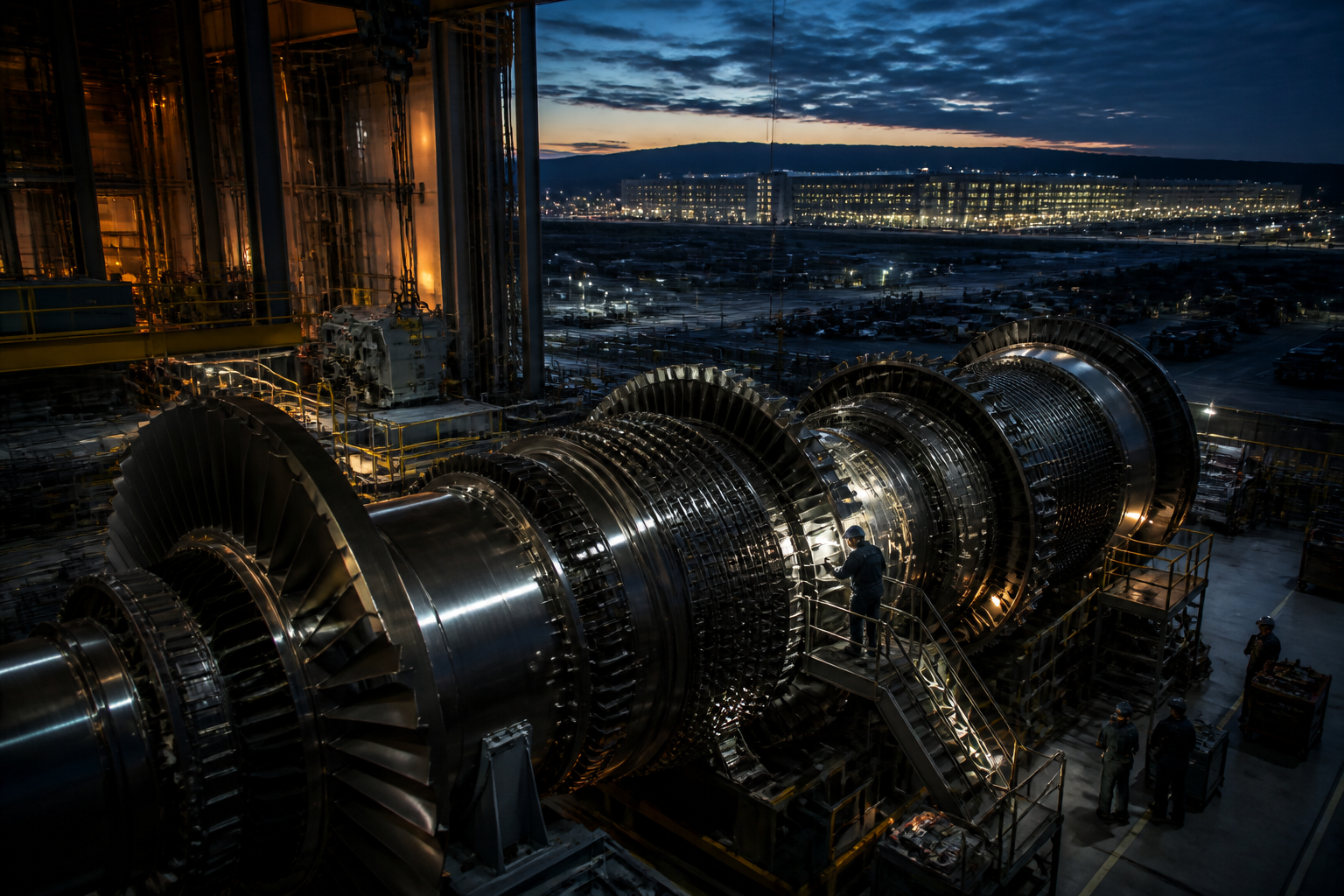
The narrative of energy consumption is increasingly being written in the server rooms of Northern Virginia and the burgeoning tech hubs of South East Asia. The severe energy consumption of modern data centres, which operate ceaselessly to process complex algorithmic computations, has led to a remarkable surge in orders for gas turbines. Manufacturers are reporting a heightened demand for these machines, which serve as the backbone for reliable, dispatchable power that intermittent renewable sources like wind and solar cannot yet provide with the same level of consistency. The integration of artificial intelligence into every facet of commercial enterprise requires a level of grid stability that currently necessitates a robust natural gas infrastructure. This has provided a significant tailwind for companies involved in the extraction and distribution of natural gas, as the market begins to price in a long-term role for hydrocarbons in the transitionary period that was previously thought to be much shorter.
Institutional Capital and the Equity Renaissance
Within the financial markets, the movement of capital reflects a renewed confidence in the profitability of the energy majors. Marathon Petroleum has recently achieved record highs, leading a robust group of newcomers to the most prestigious lists of top-performing stocks. This performance is mirrored by the gains seen in industry titans such as ExxonMobil and Chevron, alongside service providers like Halliburton and Schlumberger. The institutional appetite for these stocks is driven by a combination of disciplined capital expenditure, high commodity prices, and a pragmatic realisation that the transition to a low-carbon economy will be a multi-decadal process rather than a swift pivot. Analysts at major investment houses are increasingly viewing these companies not as relics of a passing era, but as essential providers of the energy security that underpins global economic stability. The recent rally in the NYSE Energy Sector Index is a testament to this evolving sentiment, as investors seek value in sectors that provide tangible, essential commodities in an uncertain inflationary environment.
Strategic Importance of Refining and Infrastructure
The midstream and downstream sectors have become critical focal points for energy security, particularly in the North American market. The record-breaking performance of refining specialists like Marathon Petroleum highlights the importance of domestic processing capacity in a world where geopolitical tensions can easily disrupt international supply chains. The ability to convert crude oil into high-value products like diesel and aviation fuel remains a cornerstone of the modern industrial economy. Furthermore, the infrastructure required to transport these products, including pipelines and storage facilities, is seeing renewed investment. This is partly due to the realisation that existing fossil fuel infrastructure may be repurposed in the future for hydrogen or carbon capture and storage, but in the immediate term, its value lies in ensuring that the energy needs of a growing global population are met without the volatility of supply shortages.
Geopolitical Realignment and Resource Sovereignty
Energy policy has firmly returned to the centre of national security strategies across the globe. The influence of OPEC and its allies continues to be a defining factor in global price discovery, forcing Western nations to balance their environmental commitments with the necessity of affordable energy. In the United States, the role of independent producers like Continental Resources has been pivotal in maintaining a level of energy independence that provides a buffer against external shocks. The current geopolitical climate, characterised by fragmented trade relations and regional conflicts, has elevated the concept of resource sovereignty to a primary policy objective. Nations are increasingly aware that a premature abandonment of domestic energy resources could lead to strategic vulnerabilities, especially as the demand for electricity continues to outpace the installation of renewable capacity. This realism is reflected in the steady performance of oil and gas stocks, which act as a hedge against the inherent instability of the current global order.
Technological Innovation in Traditional Extraction
It would be an error to view the traditional energy sector as technologically stagnant. Companies like Schlumberger and Halliburton are at the vanguard of integrating advanced analytics and automated drilling technologies to enhance efficiency and reduce the environmental footprint of extraction. These innovations are crucial for maintaining the economic viability of mature fields and for accessing unconventional reserves that were previously too costly to exploit. By applying digital twins and real-time sensor data to the drilling process, these service providers are able to maximise output while minimising waste. This technological synergy between the old and new economies demonstrates that the path to a sustainable future involves the sophisticated management of current resources rather than their abrupt dismissal. The efficiency gains achieved through these technological advancements are a key driver of the sustained profitability observed in the sector, attracting a new wave of tech-oriented investors to the energy space.
The Outlook for a Bifurcated Energy System
Looking ahead, the global energy system appears to be heading towards a bifurcated model where high-tech renewable solutions coexist with a modernized fossil fuel base for the foreseeable future. The expectation that solar and coal would eventually be phased out by a singular green alternative has been replaced by a more nuanced understanding of grid complexity. As the demand for data processing power continues to soar, the energy sector will likely remain one of the most dynamic and essential components of the global market. The current rise in energy stocks is not a final flourish for an old industry, but rather an indication of its enduring relevance in a world that requires more power than ever before. We anticipate that the coming years will see further integration between the technology and energy sectors, as data centre operators seek long-term supply agreements with gas producers and utility companies to ensure the continuity of their operations. In this context, the energy majors are well-positioned to remain central pillars of the global economy, providing the necessary foundation upon which the next generation of technological innovation will be built.