The Resurgence Of Hydrocarbon Supremacy In The Era Of Generative Computation
As global markets grapple with the energy-intensive requirements of artificial intelligence, traditional fossil fuel producers and nuclear pioneers are witnessing a significant valuation rebound amidst supply constraints.
The global energy landscape is currently undergoing a profound metamorphosis, driven by the unforeseen collision of the silicon revolution and the enduring necessity of carbon-based base-load power. While the previous decade was defined by a hurried, often idealistic pivot towards intermittent renewables, the practicalities of the current industrial era have forced a pragmatic re-evaluation of fossil fuel infrastructure. Institutional investors, long wary of the reputational risks associated with hydrocarbons, are now returning to the sector as the sheer scale of energy consumption required by generative artificial intelligence becomes apparent. The State Street Energy Select Sector SPDR ETF and the NYSE Energy Sector Index have demonstrated consistent upward momentum, reflecting a market that is increasingly valuing reliability and energy density over speculative green transitions. This shift is not merely a cyclical fluctuation, it represents a structural recognition that the digital economy cannot function without a robust, tangible, and high-output energy backbone.
The Artificial Intelligence Catalyst And The Gas Turbine Boom
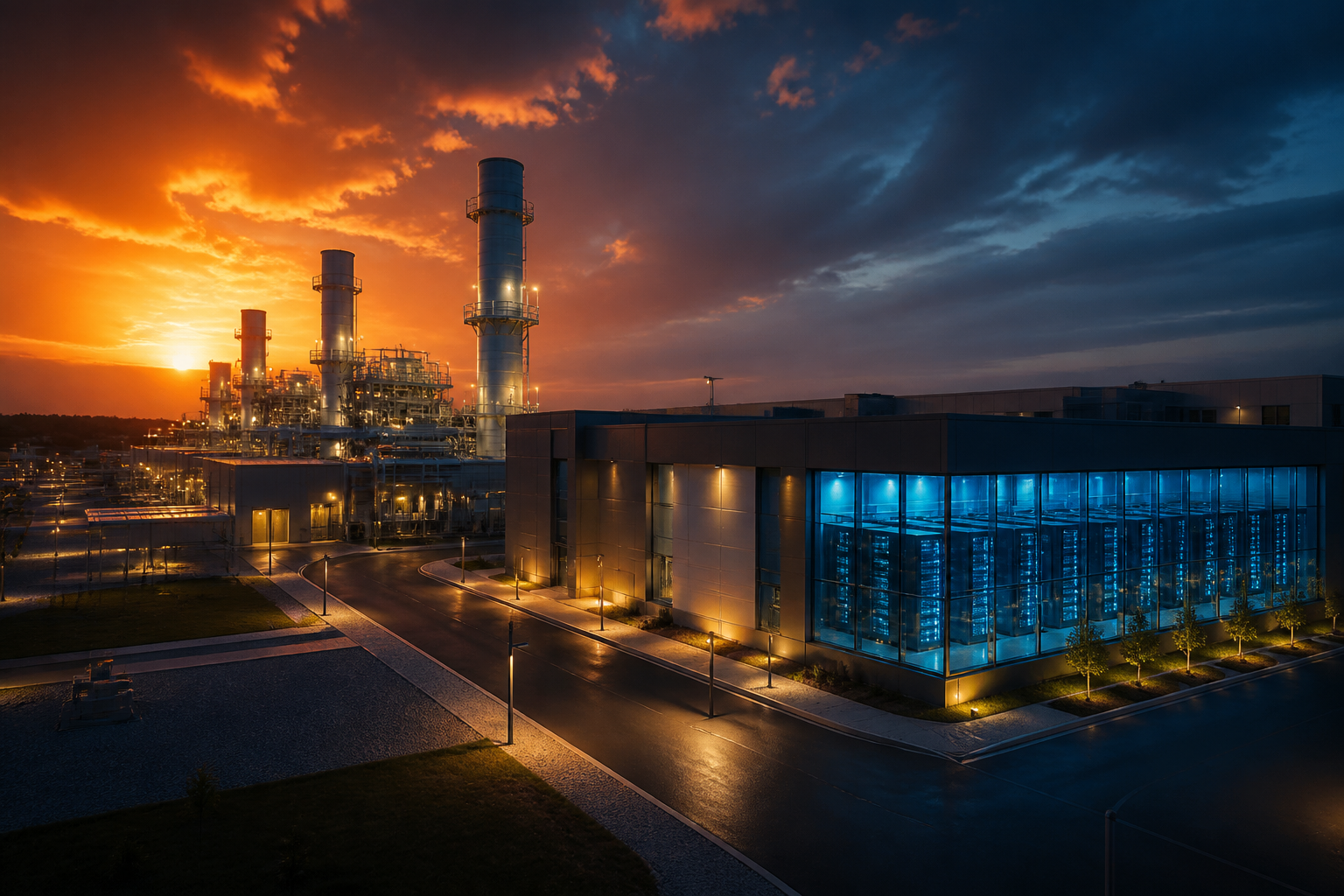
The narrative of the energy transition has been fundamentally altered by the meteoric rise of hyperscale data centres, which are now consuming electricity at rates that threaten to overwhelm existing urban grids. This surge in demand has breathed new life into the gas turbine industry, as technology giants seek the immediate, reliable power that only natural gas can provide. Unlike solar or wind, which remain hostage to meteorological conditions, gas-fired generation offers the thermal stability required to keep server farms operational around the clock. Major industrial players are reporting record orders for high-efficiency turbines, indicating that the transition to a carbon-neutral future may be longer and more reliant on natural gas than previously anticipated. This trend is particularly evident in the United States, where the proximity of shale gas reserves to emerging technology hubs has created a symbiotic relationship between the fossil fuel industry and the pioneers of the digital frontier.
Geopolitical Volatility And The Premium On Security
Global energy markets remain acutely sensitive to the shifting sands of international diplomacy and the persistent threat of supply chain disruptions. The ongoing tensions in the Middle East and the protracted conflict in Eastern Europe have reminded Western capitals that energy security is synonymous with national security. Consequently, the strategic value of domestic production has reached its highest point in decades. Companies such as Chevron and ExxonMobil are no longer being viewed solely through the lens of environmental impact, but as essential pillars of geopolitical stability. The recent gains in energy stocks, which have seen indices rise by nearly one per cent in single afternoon sessions, are underpinned by a belief that the era of cheap, globalised energy is over. In its place is a more fragmented market where the ability to extract, refine, and distribute energy within friendly jurisdictions commands a significant premium.
The Refinement Of Downstream Dominance
While upstream exploration often captures the headlines, the downstream sector is currently experiencing a period of unprecedented profitability. Marathon Petroleum, having recently hit record highs, exemplifies the strength of the refining sector in an environment of constrained capacity. The lack of new refinery construction in the West, coupled with the rising demand for jet fuel and diesel, has created a bottleneck that favours existing incumbents. These companies are now among the most sought-after names on professional stock lists, as their margins remain insulated by the high barriers to entry that define the refining industry. The fiscal discipline demonstrated by these firms, focusing on share buybacks and dividend increases rather than risky capital expenditure, has solidified their position as the new darlings of the value-investing community. This downstream resilience serves as a buffer against the volatility of crude oil prices, providing a steady stream of cash flow that is increasingly rare in other sectors of the economy.
The Nuclear Alternative And The Rise Of Uranium
As the limitations of renewables and the carbon footprint of gas become more scrutinised, nuclear energy is undergoing a remarkable renaissance. The market for uranium and nuclear technology has moved from the periphery to the centre of the energy conversation. NexGen Energy, for instance, has seen its shares rise significantly as investors bet on the necessity of nuclear power to meet the world’s burgeoning electricity needs without breaching climate targets. The development of small modular reactors offers the promise of scalable, zero-carbon energy that can be deployed closer to industrial centres. This shift is being supported by a rare bipartisan consensus in many Western nations, where the need for energy independence is finally outweighing historical anxieties regarding nuclear safety. The institutional pivot towards companies like BHP, which has a significant footprint in the mining of essential energy minerals, further underscores the broad-based nature of this commodity cycle.
Service Providers And The Technical Frontier
The operational complexity of modern energy extraction has placed a renewed focus on the oilfield services sector. Companies such as Halliburton and Schlumberger are now essential partners in the quest to increase efficiency from maturing assets. As the easy-to-reach reserves dwindle, the industry is relying more heavily on advanced seismic imaging, horizontal drilling, and hydraulic fracturing technologies. These service providers are the silent engines of the current energy boom, enabling producers to maintain output levels even as regulatory pressures mount. The technical expertise housed within these firms is also being repurposed for carbon capture and storage initiatives, suggesting that the path to a lower-carbon future will be paved by the same entities that built the oil and gas era. The stock performance of these companies reflects a growing understanding that the energy transition is a matter of engineering rather than just policy.
The Resilience Of Traditional Hydrocarbons
Despite the pervasive rhetoric of a post-carbon world, the demand for coal and traditional oil remains stubbornly high in the developing world. Emerging economies in Asia and Africa are prioritising poverty alleviation and industrialisation over immediate decarbonisation, ensuring that the global market for fossil fuels will remain robust for decades to come. Continental Resources and other independent producers are benefiting from this global reality, as the mismatch between restricted supply and growing demand continues to support elevated price points. The persistence of coal in the global energy mix, particularly for steel production and electricity in heavy-growth regions, highlights the immense challenge of the energy transition. For the professional investor, this creates a bifurcated market where the high-yield potential of traditional energy stocks offers a compelling counterpoint to the growth-oriented technology sector.
Forward-Looking Analysis And Strategic Outlook
Looking ahead, the energy sector is poised to remain the primary driver of global macroeconomic trends for the remainder of the decade. The integration of energy policy with technological development will be the defining theme of this era, as the world attempts to balance the competing demands of ecological preservation and digital progress. We expect to see a continued consolidation within the oil and gas industry, as larger entities seek to acquire the scale necessary to navigate a more regulated environment. Furthermore, the convergence of the energy and technology sectors will likely lead to innovative financing models for new power infrastructure, potentially involving direct investment from silicon valley firms into utility-scale projects. The winners in this new landscape will be those who can navigate the complexities of a multi-polar energy world, where the ability to provide reliable, affordable, and increasingly clean power is the ultimate competitive advantage. The current market strength is not a final flourish for an aging industry, but the beginning of a sophisticated new chapter in the global energy story.