The Resurgence of Fossil Capital and the Strategic Realignment of Global Energy Portfolios
Despite the prevailing narrative of a rapid green transition, traditional energy equities, led by refining giants like Marathon Petroleum and upstream leaders such as Chevron, are demonstrating remarkable resilience.
The global energy landscape is currently undergoing a paradoxical transformation where the imperatives of decarbonisation are colliding with the immediate, unrelenting demands of industrial growth and technological expansion. While international policy frameworks continue to signal a definitive shift towards renewable sources, the recent performance of energy equities suggests a much more nuanced reality on the ground. West Texas Intermediate crude prices have recently consolidated around the eighty-nine dollar mark, reflecting a market that is pricing in both geopolitical risk and a robust appetite for traditional liquid fuels. This resurgence of fossil capital is not merely a transient reaction to supply constraints but represents a deep-seated structural realignment as institutional investors rediscover the defensive and generative qualities of legacy hydrocarbon assets. The narrative of an abrupt departure from oil and gas has been tempered by the pragmatic requirements of energy security and the escalating electricity needs of the burgeoning digital economy, creating a dual-track system where traditional and renewable assets must coexist for the foreseeable future.
The Industrial Rationale for Continued Hydrocarbon Dominance
The enduring strength of the petroleum sector is perhaps best exemplified by the record-breaking performance of refining specialists such as Marathon Petroleum, which has reached unprecedented heights on global stock indices. This trajectory is indicative of a broader trend where downstream capacity remains a critical bottleneck in the global supply chain, ensuring that those with significant processing infrastructure command substantial market premiums. Similarly, integrated majors including Exxon Mobil and Chevron continue to report robust figures, bolstered by a strategic focus on operational efficiency and the exploitation of high-margin basins like the Permian. The resilience of these firms suggests that the market has moved beyond the initial euphoria of the green transition to a more sober assessment of the physical realities of energy density and existing infrastructure. While natural gas futures at the Henry Hub have seen moderate volatility, recently settling near two dollars and sixty-nine cents per million British Thermal Units, the long-term outlook for gas remains tethered to its role as a necessary bridge fuel that provides the baseload stability which intermittent renewables currently cannot match.
Data Infrastructure and the Gas Turbine Renaissance
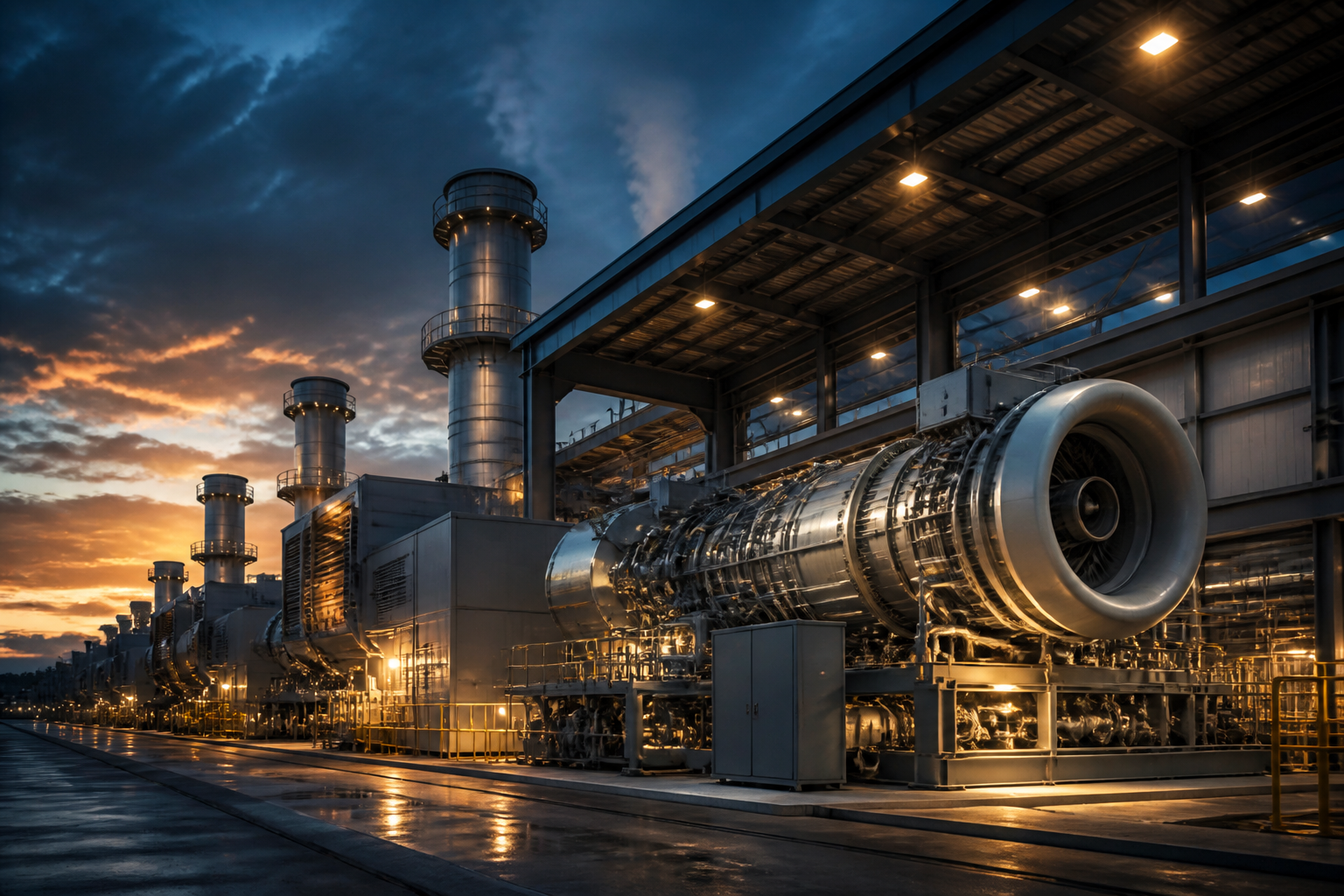
One of the most significant yet underreported drivers of the current energy paradigm is the astronomical increase in power demand originating from the global data centre sector. As artificial intelligence and cloud computing become integrated into every facet of the modern economy, the requirement for reliable, twenty-four-seven electricity has surged beyond the capacity of existing grids. This trend has precipitated a significant spike in orders for advanced gas turbines, as utility providers and private technology firms seek to secure their own power generation capabilities. The manufacturing sector, led by industrial titans such as General Electric and Siemens Energy, is seeing a renaissance in turbine technology, which offers a scalable and relatively low-carbon solution when compared to coal-fired alternatives. This surge in demand underscores the fact that the digital revolution is fundamentally a physical one, requiring immense quantities of primary energy that, for the moment, are most efficiently provided by natural gas. The convergence of high-technology needs with traditional thermal power generation illustrates a critical intersection where the old and new economies meet, necessitating a continued reliance on gas-fired infrastructure to support the innovations of the next century.
Geopolitical Tensions and the Securitisation of Supply
The strategic posture of the OPEC Plus alliance continues to be the primary arbiter of international oil prices, as the group maintains its commitment to supply discipline in an effort to floor prices above eighty dollars. This coordinated management of global supply has provided a predictable environment for western oil majors to plan capital expenditures, leading to a renewed interest in exploration and production stocks. In the service and equipment sub-sector, firms like Halliburton and Schlumberger are benefiting from this renewed activity, as national oil companies and private explorers alike ramp up drilling projects to secure future production. The focus on energy security has moved to the forefront of national policy in Europe and Asia, where the memory of recent supply shocks remains fresh. Consequently, there is a marked shift towards long-term supply contracts and the development of regional energy hubs, which prioritises stability over the spot-market volatility that has characterised the previous decade. This move toward securitisation is providing a tailwind for the entire energy complex, from upstream producers to the logistical firms that facilitate international trade.
The Diversification of Mining and Nuclear Ambitions
Beyond the immediate sphere of oil and gas, the broader energy sector is witnessing a significant pivot towards the raw materials required for the energy transition of the future. Mining conglomerates such as BHP are increasingly positioning themselves as energy firms, given their control over the copper, nickel, and iron ore resources essential for electrification. Recent market activity has seen these diversified miners gain traction, as investors recognise that the transition to a low-carbon world is an incredibly metal-intensive process. Concurrently, the nuclear sector is experiencing a quiet but powerful revival, with uranium developers like NexGen seeing substantial share price appreciation. The recognition that nuclear power offers the only carbon-free source of reliable baseload electricity at scale has led to a re-evaluation of the entire nuclear supply chain. As governments reconsider their stances on atomic energy, the hunt for high-grade uranium deposits has intensified, creating a new frontier for energy investors who are looking beyond the horizon of the current hydrocarbon cycle.
Refining Margins and the Complexity of Modern Fuels
The technical complexity of modern refining has created a high barrier to entry that protects the profit margins of established players. As environmental regulations become more stringent, the cost of producing compliant fuels has risen, favouring those companies that have invested in sophisticated hydro-cracking and desulphurisation units. This technical moat is what allows firms like Continental Resources and other independent refiners to maintain profitability even during periods of fluctuating crude prices. The transition to cleaner fuels, including sustainable aviation fuel and renewable diesel, is being led by these same traditional refining giants, who are leveraging their existing logistical networks and engineering expertise to dominate these emerging markets. This evolution demonstrates that the incumbent energy industry is not a static entity but is instead a highly adaptive system capable of absorbing new technologies and regulatory requirements without sacrificing its core economic viability.
Navigating the Strategic Outlook for Energy Capital
Looking forward, the global energy sector appears set for a period of sustained capital reinvestment, driven by the dual needs of maintaining current production and building the infrastructure of the future. The era of cheap, abundant energy may be receding, replaced by a more complex environment where cost is balanced against carbon intensity and security of supply. For investors and policymakers, this means that the binary distinction between green and brown energy is becoming increasingly obsolete. The most successful actors in this new era will be those who can integrate traditional hydrocarbon efficiency with the emerging requirements of the electrified economy. We anticipate that the volatility in natural gas prices will persist as the global market for liquefied natural gas matures, but the underlying demand for gas as a foundational element of industrial society will remain unshakable. The ongoing electrification of transport and industry will continue to place immense pressure on the mining sector, likely leading to further consolidation among the major resource holders. Ultimately, the future of energy will be defined by a pragmatic synthesis of all available technologies, where the reliability of the gas turbine and the density of the hydrocarbon molecule continue to play indispensable roles alongside the growth of wind, solar, and nuclear power.