The Resilience of the Eurozone Amidst a Prolonged Energy Price Shock
Despite persistent upward pressure on crude oil and natural gas prices, recent economic data suggests the Eurozone is successfully navigating a complex transition, underpinned by strategic shifts and resilient growth.
The global energy landscape is currently undergoing a period of profound restructuring, characterized by a fundamental tension between historical dependencies and the exigencies of a new geopolitical order. While the immediate panic of supply disruptions has subsided into a more calculated form of market anxiety, the underlying pressures on global energy prices remain acute, forcing national administrations into increasingly painful economic compromises. Recent business surveys across the Eurozone, however, reveal a surprising degree of resilience, suggesting that the widely anticipated industrial collapse under the weight of high input costs has, for the moment, been averted. This defiance of traditional economic gravity underscores a broader transformation in how developed economies absorb external shocks, particularly as they navigate the intricate web of new alliances that are emerging between North America and the European continent.
The Unexpected Stability of the European Core
Contrary to the dire forecasts of early autumn, recent activity indicators for the Eurozone have demonstrated a robustness that has caught many institutional analysts off guard. Carsten Brzeski of ING Bank has noted that the region appears to remain largely unharmed by the dual pressures of energy price volatility and supply chain fragmentation. This stability is particularly evident in the final gross domestic product figures from the Netherlands, where a second-quarter expansion of zero point six per cent outperformed previous estimates. While such figures are modest by historical standards, they represent a significant victory for a region that many observers believed was on the precipice of a deep recession. The ability of the European industrial base to adapt its processes and diversify its procurement strategies has proven more agile than the rigid structures of the late twentieth century might have suggested.
This resilience is not merely a product of corporate efficiency but is also reflective of a shifting macroeconomic framework. Inflationary pressures, while persistent, are being met with a level of fiscal discipline that has steadied the hand of investors. In Norway, the labour force survey data remains consistent with a market that is tight enough to maintain demand without triggering a wage-price spiral that would necessitate more aggressive monetary intervention. The narrative of European decline is being rewritten by a pragmatic realization that energy security is now the primary pillar of economic sovereignty. As the continent moves away from its former reliance on eastern pipelines, it is investing heavily in the infrastructure required to process and distribute alternative fuels, effectively decoupling its growth trajectory from the whims of volatile transit states.
Geopolitical Frictions and the Strait of Hormuz
While the internal European market seeks a new equilibrium, the external environment remains fraught with risks that could at any moment disrupt this delicate balance. The recent escalation of tensions between the United States and Iran has once again placed the Strait of Hormuz at the centre of global energy concerns. As one of the most critical maritime chokepoints in the world, any threat to the free movement of tankers through this passage sends immediate ripples through the international oil markets. The recent jump in crude prices following reports of maritime skirmishes serves as a stark reminder that the global economy is still tethered to geographical vulnerabilities that no amount of green transition can immediately erase. Companies such as Chevron and Exxon have seen their stock valuations fluctuate in direct response to these developments, as traders weigh the risks of a broader regional conflict against the potential for new production deals.
In this context, the role of the United States as a primary energy exporter has become even more pivotal. The diplomatic dance involving potential deals with Venezuela and the ongoing posture towards Iranian exports indicates a highly strategic approach to market management. By easing certain sanctions while tightening others, Washington is attempting to navigate a path that ensures domestic price stability while simultaneously pressuring geopolitical adversaries. This statecraft is essential for maintaining the cohesion of the Western alliance, as any significant spike in oil prices would place immense political pressure on leaders in Berlin, Paris, and London who are already grappling with the high costs of living and a restive electorate.
The Transatlantic Energy Alliance
One of the most significant structural shifts in the energy sector is the strengthening of the alliance between North American producers and European consumers. The prospect of Canada further integrating its energy exports into the European grid represents a long-term strategic pivot that could redefine the Atlantic economy. However, this partnership is not without its domestic political challenges. In the United Kingdom and across the European Union, there is a lingering concern regarding the stability of American trade policy, particularly as the political climate in Washington becomes increasingly polarized. The question of whether future administrations could block or tax these essential energy flows is a central theme in current diplomatic discourse.
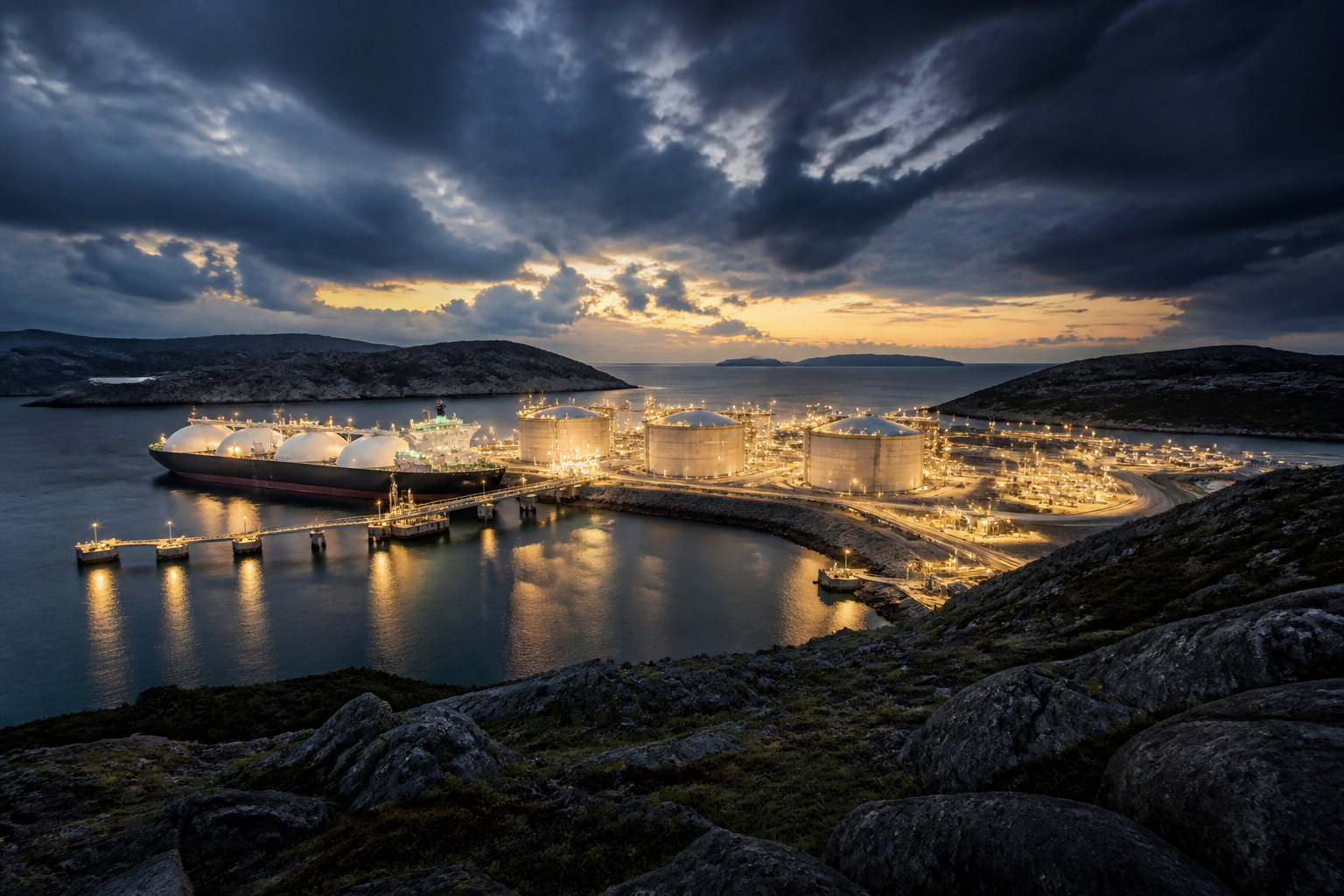
Despite these uncertainties, the physical infrastructure of the energy trade is being rapidly expanded. Liquefied natural gas terminals are appearing on European shores at an unprecedented pace, providing the necessary redundancy to ensure that the continent is never again held hostage by a single supplier. This build-out is not merely a temporary fix but a permanent alteration of the global energy map. The flow of molecules across the Atlantic is becoming as critical to global stability as the flow of capital, creating a new form of interdependence that binds the two continents together in a shared pursuit of energy independence from autocratic regimes. This alignment is also accelerating the adoption of new technologies, as the need for efficiency becomes a matter of national security rather than just corporate profitability.
Corporate Adaptation and Industrial Transformation
At the microeconomic level, the response to high energy prices has been a period of intense innovation and consolidation. The recent movements in the media and technology sectors, such as the potential mergers involving Paramount and Warner Brothers, are illustrative of a broader trend where companies are seeking scale to better manage rising operational costs. In the energy sector itself, oil services giants like Halliburton and Schlumberger are pivoting their business models to include more sustainable practices and digital optimization, recognizing that the era of cheap and easy extraction is coming to an end. The industrial sector is no longer viewing energy as a passive utility cost but as a dynamic variable that must be actively managed through sophisticated hedging and technological intervention.
This transformation is particularly evident in the manufacturing heartlands of Germany and Northern Italy. Factories that were once entirely dependent on stable gas flows are now incorporating hybrid energy systems and investing in localized storage solutions. The surprising pickup in Eurozone business surveys is a direct result of this grassroots adaptation. Companies are finding ways to maintain output with lower energy intensity, a trend that will have long-term benefits for the environment and for the competitiveness of European exports. The pain of the energy shock has, in many ways, acted as a catalyst for a modernization process that might otherwise have taken decades to achieve, forcing a level of efficiency that is now a core competency of the European industrial sector.
The Role of OPEC and Global Supply Dynamics
The influence of OPEC and its allies remains a formidable force in the determination of global energy prices. The strategic decisions made by this group, particularly regarding production quotas, continue to provide a floor for prices that complicates the efforts of central banks to control inflation. The recent rise in oil prices, driven by a combination of geopolitical risk and disciplined supply management, has ensured that the energy sector remains a highly profitable space for investors, even as the broader market faces headwinds. For companies like Continental Resources and other independent producers, this environment provides the necessary capital to invest in new exploration, although the focus has shifted increasingly towards maximizing existing assets rather than speculative new ventures.
This disciplined approach to supply is a departure from the boom-and-bust cycles of the past. By maintaining a tighter grip on production, OPEC is attempting to manage a transition period where global demand for fossil fuels is expected to plateau and eventually decline. However, this strategy carries significant risks, as excessively high prices could accelerate the transition to renewables and erode the very demand upon which these nations depend for their national budgets. The delicate balance between maintaining high prices and avoiding a global economic slowdown is the primary challenge facing energy ministers in the coming months, particularly as the effects of higher interest rates continue to permeate through the global economy.
Future Outlook and Strategic Imperatives
Looking ahead, the global energy market will likely be defined by a persistent state of volatility as the world navigates the complexities of the green transition and the realities of geopolitical competition. The Eurozone has demonstrated that it is possible to survive a significant energy shock through a combination of strategic diversification and industrial innovation, but this resilience will be tested repeatedly in the coming years. The ongoing tensions in the Middle East and the potential for shifts in American trade policy represent significant risks that could derail the current recovery. For policymakers, the imperative is to continue the build-out of resilient energy infrastructure while maintaining the fiscal discipline necessary to weather future shocks.
Ultimately, the current era is one of painful but necessary economic trade-offs. The transition to a more secure and sustainable energy system requires significant capital investment and a willingness to accept higher costs in the short term. However, the rewards for those nations and corporations that successfully navigate this period will be substantial. By decoupling growth from a reliance on volatile energy imports, the Eurozone is positioning itself for a more stable and autonomous future. The surprise resilience of the past year is not an accident but a testament to the power of adaptation in the face of necessity, providing a blueprint for how modern economies can thrive in an increasingly uncertain world.