The Persistence Of Volatility: Navigating The New Energy Order
This editorial examines the intersection of energy markets and global macroeconomic trends, focusing on the impact of declining gasoline indices, the resilience of major oil producers, and the challenges of labor markets.
The global energy landscape is currently undergoing a profound transformation that defies the traditional cyclical patterns of the past century. While recent data from the Bureau of Labor Statistics suggests a temporary cooling in energy prices, with the energy index decreasing by 1.5 percent in July following a sharper 5.7 percent decline in June, the underlying structural tensions remain unresolved. Investors and policymakers are navigating a bifurcated reality where short-term deflationary pressures in the gasoline market, which saw a 2.9 percent monthly decrease, collide with long-term capital imperatives and geopolitical fragility. This divergence creates a precarious environment for institutional capital, as the industry must reconcile the immediate demands of inflation-weary consumers with the multi-decadal necessity of the energy transition. The current conjuncture is marked by a curious paradox where energy stocks are approaching strategic buy points even as macroeconomic indicators, particularly stagnant job growth and low workforce availability in critical production hubs like Wyoming, signal a broader economic malaise that could undermine long-term demand stability.
The Macroeconomic Context Of Energy Consumption
The broader economic environment provides a sobering backdrop for the energy sector. According to recent analysis by Deloitte Insights, the global economy is grappling with a combination of stubborn inflation and slowing wage growth, a dynamic that inevitably constrains consumer discretionary spending. Although stocks have shown resilience and interest rates have begun to slide in response to moderating inflation, the reality for the average worker is one of diminished purchasing power. Average hourly pay has retreated from its previous highs, creating a scenario where the relief provided by lower fuel costs is quickly absorbed by the rising costs of other essential goods and services. This stagnant wage environment is particularly acute in regions heavily dependent on extractive industries. In Wyoming, the state business council has issued warnings that the combination of low workforce availability and lack of wage momentum is fueling a long-term economic decline. This regional trend serves as a microcosm for the challenges facing the global energy industry, which requires a robust and well-compensated workforce to maintain its complex infrastructure and drive technological innovation.
Corporate Resilience In The Oil And Gas Patch
Despite the headwinds of a slowing global economy, the financial performance of major energy corporations remains a focal point for institutional investors. We are currently in the midst of an extremely busy earnings season for the oil and gas patch, with giants such as ExxonMobil, Chevron, and Halliburton under intense scrutiny. The market is witnessing several oil stocks teetering on the edge of significant buy points, suggesting that professional investors still see substantial value in traditional hydrocarbon assets. The strategic positioning of firms like Schlumberger and Continental Resources indicates a focus on operational efficiency and disciplined capital allocation. These companies have learned the lessons of previous downturns, opting for shareholder returns and debt reduction over the unchecked production growth that defined the previous decade. This newfound fiscal discipline is a critical component of the current energy order, as it allows these entities to remain profitable even in a moderately lower price environment. However, the reliance on such discipline also means that the industry is less likely to respond to price spikes with rapid increases in supply, potentially prolonging periods of market tightness.
The Gasoline Index And Consumer Sentiment
The recent downward trend in the gasoline index is perhaps the most visible indicator of the current market cooling. For many households, the cost at the pump is the primary lens through which they view the health of the economy. The 2.9 percent decrease in gasoline prices over the last month has provided a much-needed reprieve, yet this decline may be a double-edged sword. While it supports consumer spending in the short term, it also reflects a softening of global demand that could signal a broader slowdown in industrial activity. Market analysts are closely monitoring these price movements for signs of a more permanent shift in consumption habits. The rise of electric vehicles and the increasing efficiency of internal combustion engines are beginning to exert a structural downward pressure on fuel demand in developed economies. When combined with the current macroeconomic uncertainty, these factors suggest that the era of relentless growth in gasoline consumption may be drawing to a close, forcing refiners and retailers to rethink their long-term business models.
Labor Market Constraints And Industrial Productivity
A significant but often overlooked factor in the energy equation is the state of the labor market. The warnings from the Wyoming Business Council regarding stagnant job growth and low workforce availability are indicative of a systemic problem facing the industrial sector. The energy industry is highly capital-intensive, yet it remains fundamentally dependent on skilled labor to manage exploration, production, and distribution. As the workforce ages and younger generations gravitate toward service-oriented or technology-driven sectors, the pool of available talent for traditional energy roles is shrinking. This scarcity of labor drives up operational costs and can lead to project delays, further complicating the supply-side dynamics of the market. Furthermore, the lack of wage growth in some regions makes it difficult to attract the necessary talent, creating a feedback loop of economic stagnation. To remain competitive, energy firms must invest not only in technology but also in human capital, ensuring that they can maintain the productivity levels required to support the global economy.
Institutional Investment In The Energy Transition
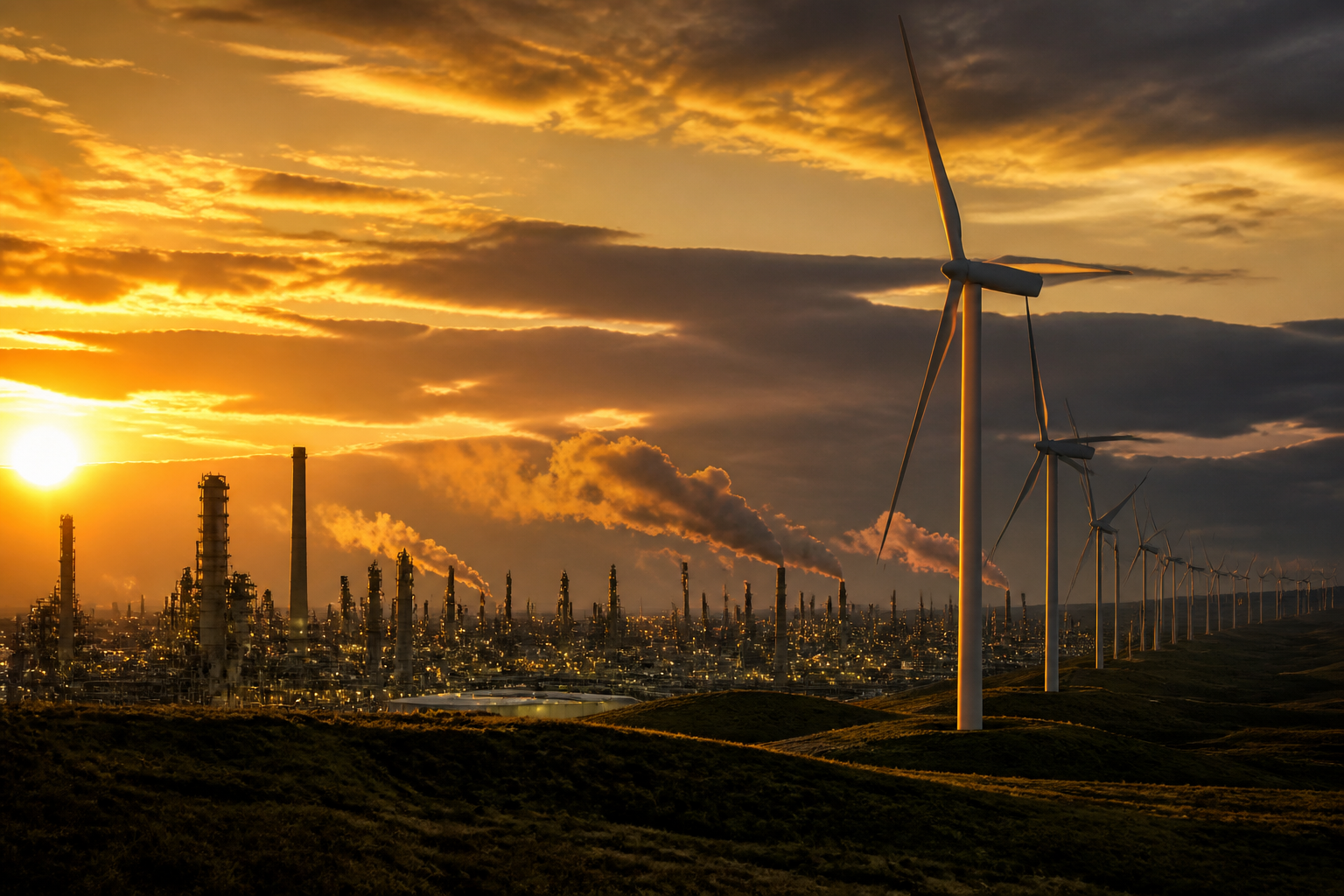
The conversation around energy cannot be separated from the ongoing transition toward a low-carbon future. While traditional oil and gas stocks remain attractive due to their immediate cash flows, institutional investors are increasingly looking toward solar, wind, and battery storage as the primary drivers of future growth. The challenge for the industry lies in managing this transition without destabilizing the current energy system. Major integrated energy companies are attempting to walk a fine line, reinvesting their fossil-fuel profits into renewable energy projects. This diversification is not merely a matter of environmental responsibility but a strategic imperative to ensure long-term survival in a world that is gradually moving away from carbon-intensive energy sources. The volatility observed in energy stocks often reflects the market's uncertainty about the pace and success of this transition. Investors are looking for companies that can demonstrate a clear and viable path toward a diversified energy portfolio while maintaining the dividends and stability that have traditionally defined the sector.
Geopolitical Risk And Market Stability
No analysis of the energy sector would be complete without considering the pervasive influence of geopolitics. The decisions made by OPEC and its allies continue to be a primary driver of global oil prices, often acting as a counterweight to the market forces of supply and demand. The geopolitical landscape is currently fraught with tension, as conflicts in key producing regions and shifting trade alliances create a climate of perpetual uncertainty. These risks are factored into the premium that investors demand for holding energy assets. While the recent decline in energy prices suggests a period of relative calm, the potential for sudden disruptions remains high. A single geopolitical event can rapidly reverse the current trend of falling indices, sending shockwaves through the global economy. Consequently, market participants must remain vigilant, balancing the optimism of a cooling inflation environment with the reality of a world where energy security is increasingly used as a tool of statecraft and economic leverage.
The Outlook For Global Energy Markets
Looking ahead, the energy sector is poised for a period of continued volatility and structural realignment. The immediate future will likely be defined by the tension between the deflationary pressures of a slowing global economy and the inflationary costs of the energy transition. We expect to see a further consolidation within the oil and gas industry as companies seek to achieve the scale necessary to compete in a more constrained environment. The labor market will remain a critical bottleneck, requiring innovative solutions to bridge the skills gap and attract new talent to the sector. While the decline in gasoline prices provides temporary relief for consumers, the long-term trend points toward a more complex and expensive energy mix. Success in this new era will depend on the ability of both companies and governments to balance the immediate needs of the present with the strategic requirements of the future. The energy industry is no longer just about extraction and distribution, it is increasingly about data, technology, and the sophisticated management of risk in an unpredictable global landscape.