The Methane Mandate: Navigating The Divergent Pathways Of Global Energy Transition
A deep analysis of the current energy landscape, where soaring demand for data-centre power and uneven global progress are forcing a revaluation of fossil-fuel infrastructure amidst the transition to a low-carbon economy.
The global energy landscape is currently defined by a profound paradox, a simultaneous acceleration toward renewable milestones and a vigorous reinvestment in conventional hydrocarbon infrastructure. Whilst the World Economic Forum notes that new milestones in the energy transition are being broken annually, the reality on the ground remains stubbornly uneven. This disparity is not merely a reflection of varying national wealth, but a structural consequence of the soaring energy demands generated by the digital frontier, particularly the rapid expansion of artificial intelligence. As the Consumer Price Index for July 2026 suggests a complex inflationary environment, the industrial sector is witnessing a marked surge in gas-turbine orders, driven by the insatiable appetite of data centres. This trend suggests that the bridge to a green future is increasingly built upon methane, a reality that challenges the linear narrative of a swift departure from fossil fuels. The tension between the immediate necessity for reliable, high-intensity baseload power and the long-term imperative of decarbonisation has created a fragmented market where traditional energy giants such as Marathon Petroleum are hitting record highs, even as the financial sector re-evaluates the risk profiles of tech-heavy debt.
The Resurgence Of Gas In The Age Of Intelligence
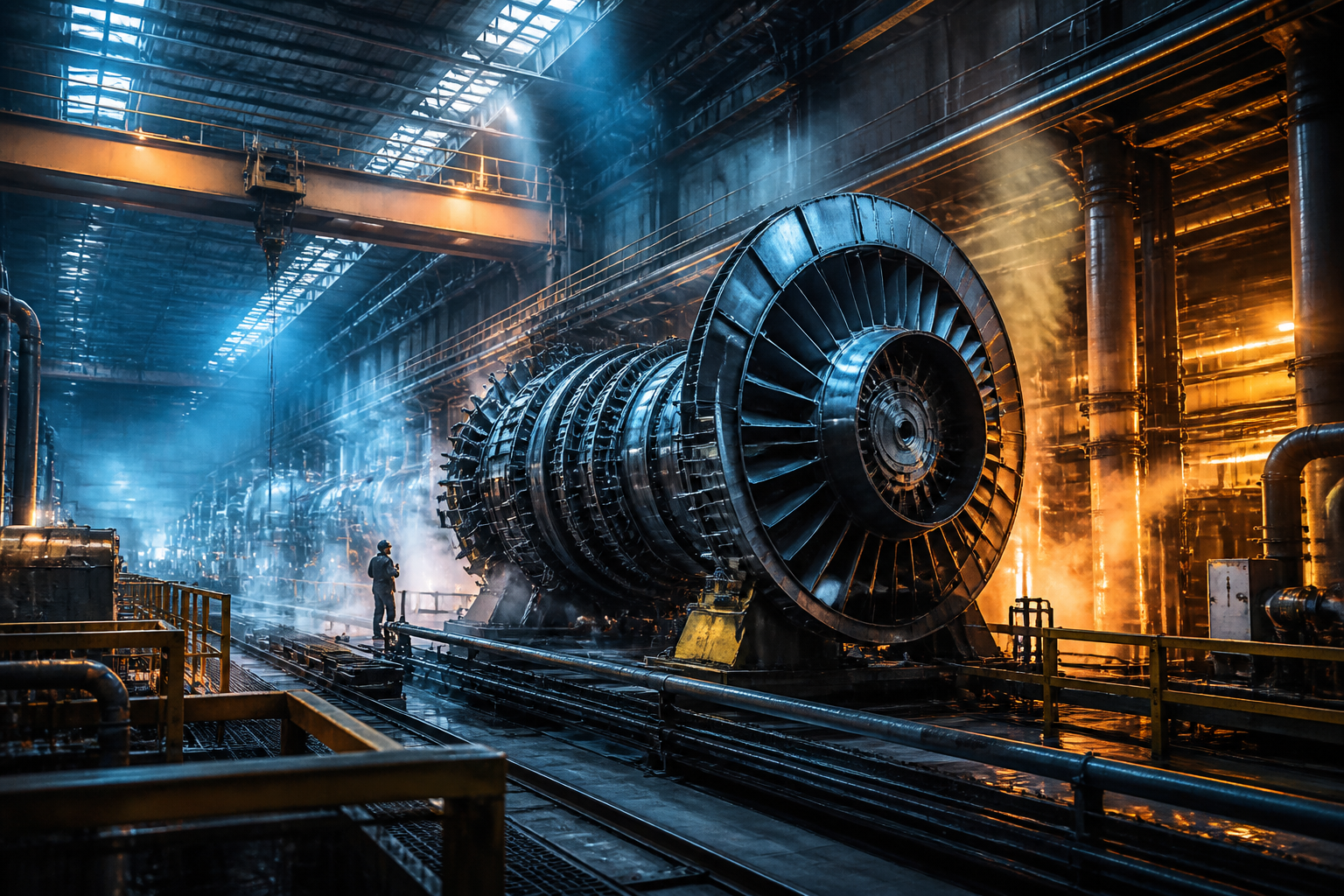
Perhaps the most unexpected development in the current transition cycle is the revitalisation of natural gas as the primary enabler of the artificial intelligence revolution. The sheer scale of electricity consumption required by next-generation data centres has outpaced the immediate capacity of regional grids to integrate intermittent renewable sources. Consequently, manufacturers of large-scale gas turbines are experiencing a renaissance in orders, as tech conglomerates seek to secure uninterruptible power supplies. This shift is particularly evident in the American market, where companies like Exxon and Chevron are aligning their strategic reserves to meet this industrial demand. The transition, once envisioned as a steady climb toward wind and solar dominance, is now being mediated by the efficiency of gas-fired generation. This development places policymakers in a precarious position, as they must balance the economic benefits of the tech boom against the stringent emissions targets set under international frameworks. The cost of ensuring energy reliability for these digital hubs is reflected in the rising cost of insuring tech-company debt, a signal that the financial markets are beginning to price in the volatility of energy inputs and the regulatory risks associated with prolonged fossil-fuel reliance.
Uneven Progress And The Emerging Markets Divide
The narrative of a global energy transition often obscures the widening chasm between advanced economies and the developing world. According to recent insights from Deloitte, while poorer countries stand to benefit immensely from the efficiencies offered by artificial intelligence, they face significant hurdles in financing the underlying energy infrastructure. The capital intensity of transitioning to a low-carbon grid remains a prohibitive barrier for many nations in the Global South. While European and North American markets can leverage sophisticated financial instruments to de-risk green investments, emerging economies are often left to choose between expensive, imported renewable technology and domestic, carbon-heavy resources. This uneven progress is not just a matter of equity, it is a systemic risk to the global climate agenda. If the transition remains a luxury of the wealthy, the collective goal of limiting global warming becomes increasingly unattainable. The divergence in progress is further complicated by the fact that many developing nations are also the primary sources of the critical minerals required for batteries and solar panels, creating a complex web of economic dependencies that have yet to be fully addressed by international trade policies.
Market Volatility And The Petrochemical Renaissance
Contrary to the predictions of a terminal decline for oil and gas stocks, the sector has demonstrated remarkable resilience and profitability in 2026. The performance of Marathon Petroleum, which has recently led a group of newcomers to best-stock lists, serves as a testament to the enduring value of refining and distribution assets. This petrochemical renaissance is driven by two main factors, a sustained demand for transport fuels in emerging markets and the critical role of hydrocarbons in producing the materials necessary for the transition itself. From the lubricants in wind turbines to the plastic casings of electric vehicle components, the dependency on petroleum products remains absolute. Furthermore, the strategic moves by OPEC and major independent producers to manage supply have kept prices at levels that incentivise continued exploration and production. The profitability of firms like Halliburton and Schlumberger suggests that the service sector is finding new ways to optimise extraction, reducing the carbon intensity of production while maintaining output. This efficiency, while beneficial for corporate balance sheets, complicates the political argument for a rapid phase-out of fossil-fuel subsidies.
The Financial Risk Of The Green Debt Cycle
As the transition accelerates, the financial architecture supporting it is under increasing scrutiny. The rising cost of insuring tech-company debt is a harbinger of a broader trend where the capital markets are becoming more sensitive to the sustainability of energy supplies. Investors are no longer looking solely at top-line growth, they are increasingly focused on the long-term viability of the energy models that power these companies. The inclusion of unconventional stocks in major indices, such as the recent surge of Reddit after its S&P 500 inclusion, indicates a market that is highly reactive to new opportunities, yet fundamentally concerned about the underlying costs of operation. The Consumer Price Index results for July 2026 highlight the persistent pressure of energy costs on the broader economy. If the transition to renewables results in higher mid-term costs due to grid upgrades and storage requirements, the inflationary impact could undermine public support for green policies. Financial institutions are therefore caught in a delicate balancing act, trying to fund the necessary innovations in hydrogen and carbon capture while managing the risks of stranded assets in the coal and gas sectors.
Technological Innovation As A Mitigation Strategy
Innovation remains the most potent tool for resolving the friction between energy demand and environmental goals. The integration of artificial intelligence into grid management is already showing promise in reducing waste and improving the efficiency of renewable integration. In many poorer countries, AI-driven micro-grids could bypass the need for expensive, centralised infrastructure, allowing for a more decentralised and resilient energy system. Additionally, the development of small modular reactors and advanced geothermal technology offers the potential for carbon-free baseload power that could replace the current reliance on gas turbines. However, these technologies are still in their relative infancy and require significant state-backed investment to reach commercial scale. The role of institutions such as the World Economic Forum is critical in fostering the public-private partnerships necessary to move these innovations from the laboratory to the market. Without a concerted effort to democratise access to these technologies, the energy transition will continue to be a source of geopolitical and economic tension.
Outlook For A Multi-Speed Energy Future
Looking toward the end of the decade, the energy sector is likely to remain in a state of high-octane transition, characterised by a multi-speed approach across different regions. The dream of a uniform, global shift to renewables is being replaced by a more pragmatic, if messy, reality of hybrid systems. Natural gas will continue to play a pivotal role as a firming fuel for the digital economy, while the oil sector will pivot toward high-value petrochemicals and carbon-management services. The primary challenge for global leaders will be to ensure that the progress in decarbonisation is not derailed by the immediate energy needs of the technological revolution. This will require a sophisticated policy framework that encourages innovation while providing a clear and stable roadmap for the phase-out of the most carbon-intensive practices. The stability of the global economy depends on the ability to manage this transition without triggering a prolonged period of energy-driven inflation or social unrest. As we move forward, the definition of energy security will increasingly include not just the availability of supply, but the sustainability and carbon-neutrality of that supply, forcing a fundamental rethink of what it means to be a global energy leader in the twenty-first century.