The Global Energy Pivot: Navigating the Confluence of Volatility and Green Transition
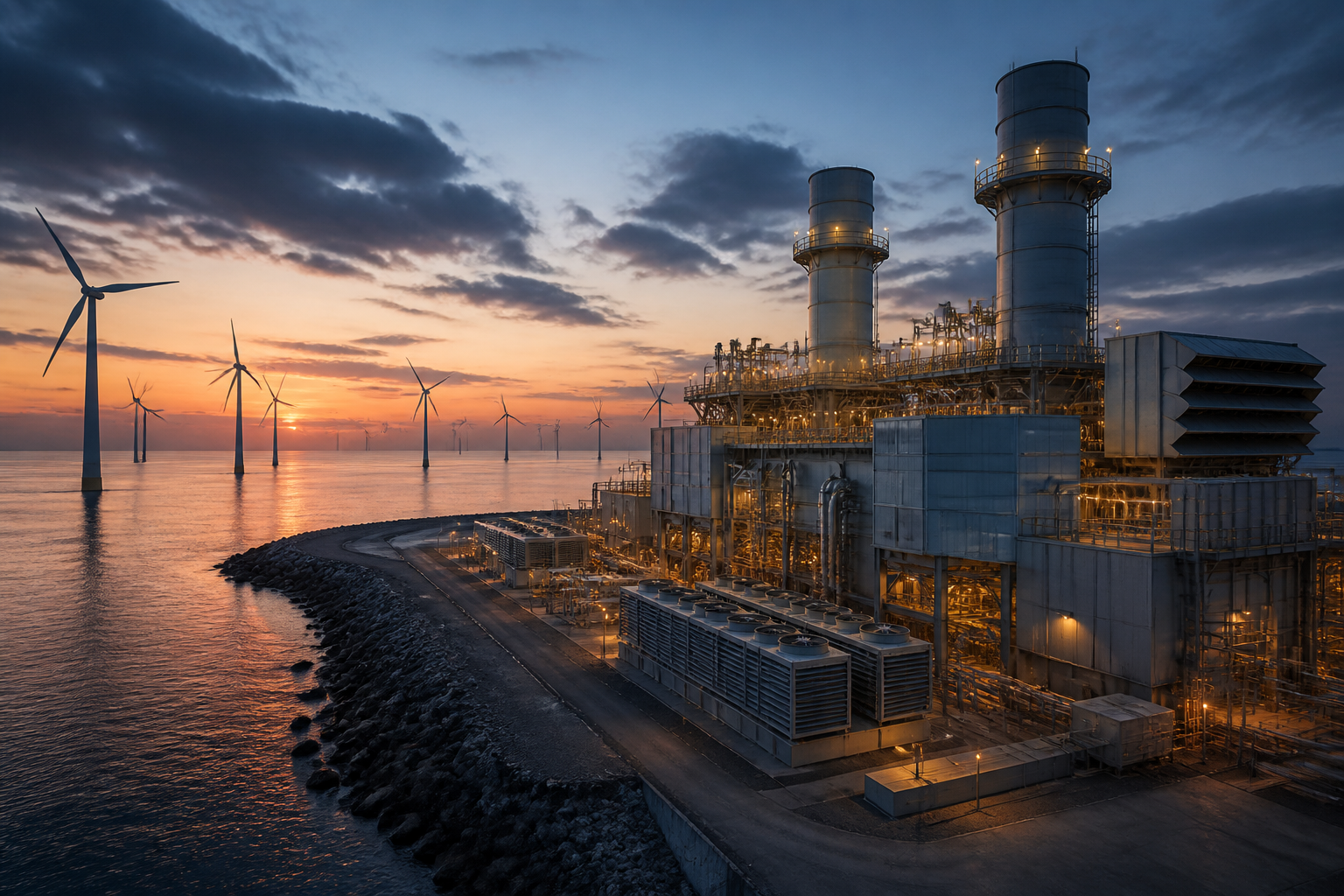
In this comprehensive editorial, we examine the paradox of the modern energy market: the simultaneous surge in traditional gas-fired power generation driven by digital infrastructure and the volatile maturation of the offshore wind sector.
The contemporary global energy landscape is currently defined by a profound and somewhat paradoxical divergence between the immediate requirements of industrial modernisation and the long-term imperatives of ecological stewardship. While the rhetoric of international summits often suggests a linear progression toward decarbonisation, the empirical reality revealed by recent fiscal data and infrastructure orders suggests a more complex, multi-speed transition. We are witnessing a period where traditional hydrocarbon-derived power remains indispensable, particularly as the proliferation of data centres and artificial intelligence infrastructure demands a level of baseload stability that current renewable storage solutions struggle to provide. At the same time, the renewable sector, led by major European players, is undergoing a painful but necessary period of fiscal recalibration, moving away from a growth-at-all-costs model toward a more disciplined, dividend-focused maturity. This intersection of surging industrial demand and sector-wide financial restructuring forms the central tension of the current economic cycle.
The Resurgence of Gas-Fired Infrastructure
A striking development in the global energy market is the renewed vitality of the gas turbine industry, a sector that many analysts had prematurely relegated to a transitional footnote. The recent surge in orders for high-efficiency gas turbines is fundamentally driven by the voracious appetite for electricity within the technology sector. Data centres, which now constitute a significant and growing portion of national grid loads in jurisdictions such as the United States and Northern Europe, require consistent, twenty-four-hour power that intermittent solar or wind arrays cannot yet satisfy without massive battery support. Companies such as Marathon Petroleum have recently reached record high valuations, reflecting a broader market sentiment that traditional energy infrastructure and refined products will remain the bedrock of the global economy for the foreseeable future. This resurgence is not merely a regression to older methods but a strategic adaptation, where gas is viewed as the essential partner to renewable integration, providing the necessary frequency response and grid inertia that a modern digital economy demands.
Fiscal Discipline and the Wind Energy Recalibration
While the demand for gas remains robust, the offshore wind sector is navigating a period of significant strategic pivots, most notably exemplified by the Danish energy giant Ørsted. After a period of aggressive capital expansion that led to over-leveraged balance sheets and project cancellations in the North Sea and off the coast of the United States, the group has signaled a fundamental shift in its corporate philosophy. By returning to a dividend-paying model, albeit with the first payouts delayed until 2027, Ørsted is attempting to restore investor confidence through fiscal prudence rather than sheer capacity growth. This transition reflects a broader trend across the European renewable landscape, where the initial euphoria of the green transition is being tempered by the reality of higher interest rates and supply chain bottlenecks. The industry is moving from an era of state-subsidised infancy into a competitive, mature market phase where capital efficiency and realistic project timelines are prioritized over ambitious, unhedged growth targets.
Inflationary Pressures and the UK Energy Economy
In the United Kingdom, the energy sector must also contend with a challenging macroeconomic backdrop defined by persistent inflationary signals. Recent economic data indicates that the Retail Price Index and Consumer Price Index remain elevated, with specific pressure points in the Producer Price Index for core output. For energy-intensive industries, these figures represent a sustained increase in the cost of doing business, as the price of inputs remains volatile. The UK Government, while committed to its clean energy future, faces the difficult task of balancing high-cost infrastructure investments against the immediate need to curb domestic energy inflation. With the Producer Price Index output prices showing a year-on-year increase of approximately three per cent, the industrial sector is feeling the pinch of sustained price levels. This inflationary environment complicates the funding of large-scale renewable projects, as the cost of raw materials such as steel and copper remains high, further squeezing the margins of developers who are already operating under stringent regulatory price caps.
The American Investment Paradigm
Across the Atlantic, the United States is pursuing a highly interventionist and well-funded strategy to secure its clean energy future. Through a combination of federal mandates and private capital incentives, the American administration has catalysed a massive wave of domestic investment across various states, from Alabama to Washington. This policy framework is designed not only to reduce carbon emissions but to repatriate the manufacturing of critical energy technologies. The map of American energy investment is being redrawn, with significant federal and private outlays aimed at battery manufacturing, solar element production, and hydrogen infrastructure. This geopolitical shift toward energy independence is forcing European and Asian competitors to reconsider their own subsidy structures, as the United States leverages its fiscal might to attract the next generation of energy innovators. The competition for green capital is no longer just about environmental virtue, it is a high-stakes race for industrial supremacy in the twenty-first century.
Nature Restoration as a Corporate Asset
An emerging theme in the global energy discourse is the recognition that the restoration of nature is not merely an act of corporate social responsibility but a viable economic strategy. Research highlighted by the World Economic Forum suggests that businesses can derive significant financial benefits from integrating nature-based solutions into their operational models. For the energy industry, this translates to a more holistic approach to land use and project development. Restoring ecosystems around energy installations can improve local climate resilience, reduce maintenance costs through natural flood defences, and enhance a company's standing in the eyes of increasingly ESG-conscious investors. This shift represents a move toward a circular energy economy, where the value of a project is measured not just in kilowatt-hours produced but in the long-term ecological and social stability it fosters. The integration of biodiversity targets into corporate reporting is becoming a standard requirement, further blurring the lines between environmental conservation and profitable business operations.
A Forward-Looking Outlook
Looking toward the end of the decade, the energy sector will likely be defined by a synthesis of traditional reliability and renewable innovation. The narrative of a sudden, total displacement of hydrocarbons is being replaced by a more nuanced understanding of energy diversity. We should expect to see a continued reliance on high-efficiency gas turbines as the vital bridge to a carbon-neutral future, particularly as the global demand for compute-power continues its exponential climb. The renewable sector will emerge from its current period of consolidation stronger and more fiscally disciplined, with companies like Ørsted and its peers focusing on sustainable yield rather than speculative expansion. The primary challenge for policymakers will be to manage the inflationary pressures that accompany this transition, ensuring that the cost of building a new energy world does not destabilise the economic foundations of the old one. Ultimately, the successful energy firms of the future will be those that can master the complexities of the grid, the demands of the investor, and the urgent necessity of ecological restoration in a single, cohesive strategy.