The Fossil Fuel Renaissance And The Industrial Imperative Of Data
Despite the long-term push for decarbonisation, the energy sector is witnessing a robust revival in traditional hydrocarbon infrastructure, driven by the insatiable power demands of artificial intelligence and global data centres.
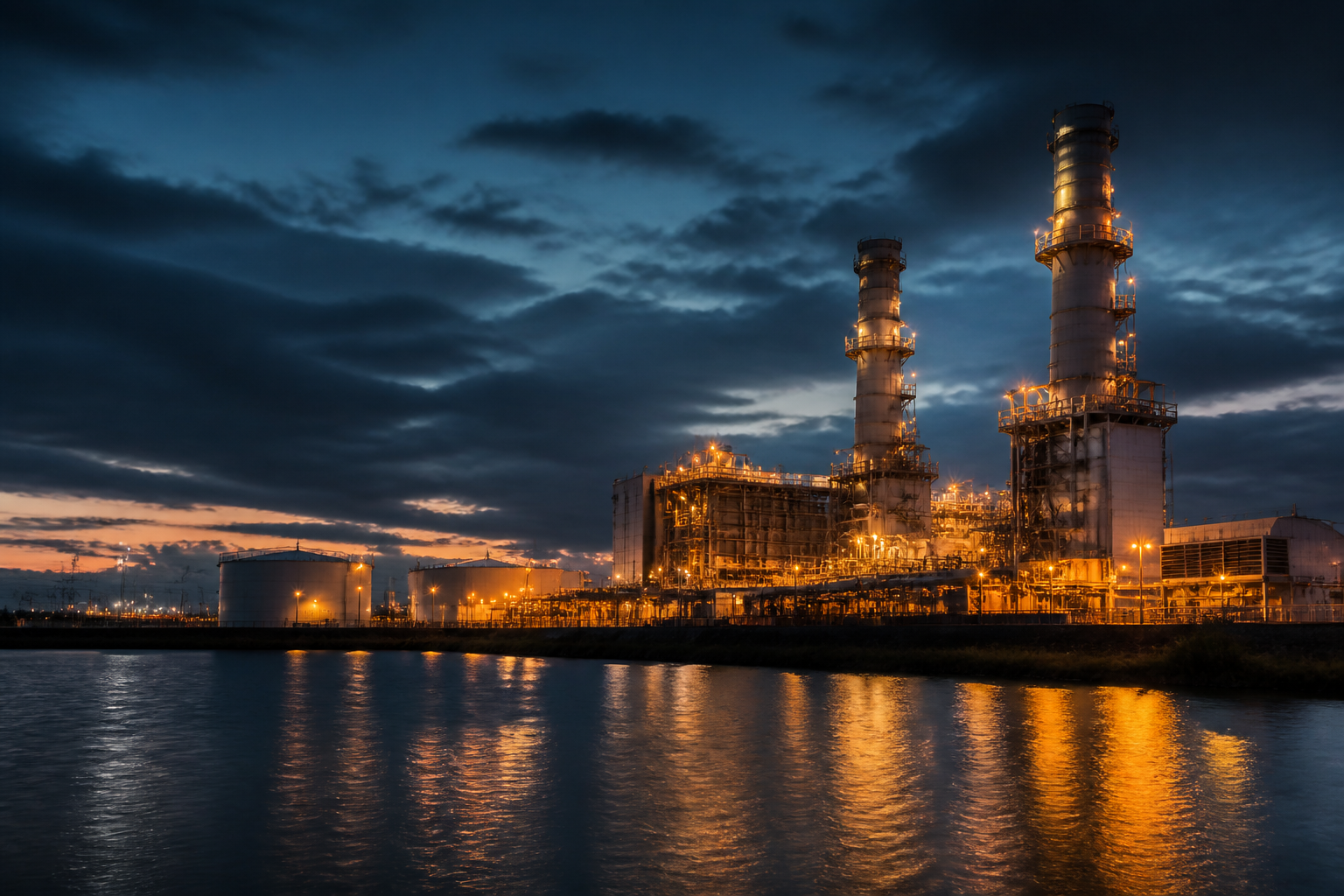
The global energy landscape is currently navigating a period of profound re-calibration, one that challenges the prevailing narrative of a swift and unidirectional transition away from hydrocarbons. While international climate policy continues to advocate for the displacement of thermal generation, the operational reality on the ground suggests a more nuanced evolution. Recent market activity reveals that traditional energy stocks are not merely surviving but are experiencing a significant resurgence, evidenced by the NYSE Energy Sector Index recently climbing by one point one percent. This momentum is not a vestige of the past but rather a direct consequence of the modern digital economy. The rapid expansion of data centres and the computational intensity required for artificial intelligence have created a massive, immediate need for reliable base-load power. Consequently, the industrial sector is witnessing a sharp uptick in orders for gas turbines, as natural gas re-asserts its role as the indispensable bridge between the carbon-heavy past and a theoretically green future.
The Data Centre Dilemma And The Return Of Gas
The narrative of the energy transition has often overlooked the physical constraints of the digital revolution. As hyperscale data centres proliferate across North America and Europe, the sheer volume of electricity required to cool massive server banks and power complex processors has outpaced the current capacity of intermittent renewable sources. This infrastructure gap has led to a unexpected windfall for manufacturers of gas turbines. Natural gas, once viewed by environmentalists as a temporary necessity, is now being positioned as a permanent fixture of the industrial landscape for the foreseeable future. The reliability of gas-fired power provides the essential stability that solar and wind currently lack, ensuring that the global digital infrastructure remains operational around the clock. This shift is reflected in the order books of heavy industrial firms, where the demand for high-efficiency turbines has reached levels not seen in years, marking a departure from the mid-decade slowdown that many analysts predicted would signal the end of thermal power dominance.
Refining Resilience And The Marathon Achievement
Within the downstream segment, the performance of major refiners provides a compelling case study in operational excellence and market adaptability. Marathon Petroleum has recently reached record highs, leading a robust group of energy companies that have found their way onto prestigious best-stock lists. This success is not merely a product of volatile crude prices but is rooted in the strategic optimization of refining margins and a disciplined approach to capital allocation. The refining sector has historically been prone to boom-and-bust cycles, yet the current environment is characterised by a sustained demand for refined products that exceeds the available capacity of a global fleet that has seen little new investment. As older refineries are decommissioned or converted to biofuels, the remaining assets, such as those managed by Marathon and its peers, become increasingly valuable. These companies are generating substantial free cash flow, much of which is being returned to shareholders through buybacks and dividends, further cementing the sector's appeal to institutional investors who seek stability in an otherwise turbulent macroeconomic climate.
The Strategic Pivot Of Oilfield Services
The health of the energy industry is perhaps most visible in the activity levels of oilfield service giants like Schlumberger and Halliburton. These firms serve as the technical backbone of global production, and their recent performance suggests a period of sustained investment in both conventional and unconventional resources. While the focus in previous years was on the rapid expansion of shale production in the Permian Basin, the current strategy is one of efficiency and technological integration. Service providers are increasingly deploying digital twins and automated drilling platforms to lower the cost of extraction and reduce the carbon intensity of each barrel produced. This technological maturation allows firms like Chevron and ExxonMobil to maintain high output levels while simultaneously addressing the environmental mandates of their boards. The service sector is no longer just about heavy machinery, it is now an arena of high-technology competition where data analytics are used to squeeze every possible ounce of value from mature reservoirs.
Geopolitical Risk And The OPEC Variable
The overarching trajectory of energy prices remains heavily influenced by the strategic decisions of OPEC and its allies. The collective ability of this group to manage global supply has provided a floor for oil prices, which in turn supports the investment cases for Western integrated majors and independent producers alike. However, the geopolitical landscape is increasingly fragmented, with state-owned enterprises in the Middle East balancing their market management roles against internal fiscal requirements. The tension between maintaining price stability and defending market share against non-OPEC producers, such as those in Guyana and the United States, creates a complex backdrop for global trade. For companies like Continental Resources, the ability to remain agile in a shifting price environment is paramount. The resilience of the American upstream sector has proven that even in a world of high interest rates, the efficiency gains achieved over the last decade have made domestic production remarkably durable against external shocks.
The Infrastructure Gap And Grid Stability
A critical bottleneck in the transition remains the aging electrical grid infrastructure of the developed world. While the move towards electrification is widely supported by policy, the physical reality of transmitting power from remote renewable sites to urban centres is fraught with regulatory and logistical hurdles. This is where the importance of the integrated energy model becomes clear. Companies that can provide a holistic solution, combining traditional generation with grid-scale storage and smart management systems, are poised to capture the most value. The current surge in energy stocks reflects a market recognition that the transition will be more capital-intensive and time-consuming than previously estimated. Investors are beginning to reward those firms that acknowledge the necessity of a diverse energy mix, one that includes coal in some regions, gas as a primary stabilizer, and renewables as the growing edge. The stability of the NYSE Energy Sector Index is a testament to the fact that fossil fuels are not being phased out, they are being integrated into a more complex and high-demand energy ecosystem.
Forward Looking Outlook For Global Energy Markets
As we look toward the end of the decade, the energy sector is likely to be defined by a policy of pragmatism over ideology. The initial rush towards pure-play renewable investment has met the hard reality of industrial energy requirements and the inflationary pressures of new infrastructure. In the coming years, we expect to see a further convergence of the technology and energy sectors, as the providers of digital services become direct investors in power generation to secure their supply chains. The record highs seen by refining leaders and the renewed interest in gas-fired turbines are not anomalies, they are the early indicators of a new phase of industrial realism. Capital will continue to flow towards firms that demonstrate operational efficiency and the ability to navigate a fragmented regulatory environment. While the long-term goal of a lower-carbon world remains, the path to that objective is being paved by the very fuels that the world once sought to abandon. The energy industry of the future will be one of hybridity, where the legacy of hydrocarbons and the potential of new technologies work in tandem to support a world that is more power-hungry than ever before.