The Fossil Fuel Realignment: Energy Security and the New Geopolitical Equilibrium
A deep analysis of the shifting global energy paradigm, exploring how massive infrastructure investments in the Middle East and rising geopolitical tensions are elevating energy security above carbon neutrality.
The global energy landscape is currently undergoing a profound structural realignment, driven by a convergence of heightened geopolitical risk, decelerating yet resilient economic growth, and a fundamental shift in the rhetoric of international policy. For the better part of a decade, the overarching narrative of the energy sector was defined by the imperatives of the green transition and the gradual obsolescence of hydrocarbons. However, as the summer of 2026 progresses, this orthodoxy is being challenged by a pragmatic return to security-focused energy strategies. The cooling of diplomatic hopes regarding the Strait of Hormuz, coupled with substantial capital injections into natural gas infrastructure by Middle Eastern state-backed entities, suggests that the path to a post-carbon world is being lengthened by the immediate requirements of national stability and economic insulation. This is not merely a cyclical adjustment but a strategic recalibration that places energy affordability and reliability at the vanguard of the corporate and political agenda, often at the expense of immediate decarbonisation targets.
The Strategic Primacy of Security Over Sustainability
Recent proceedings at London Climate Action Week and subsequent strategic assessments have highlighted a notable divergence in how global leaders frame the energy challenge. The previous emphasis on climate mitigation is increasingly being eclipsed by a dual focus on security and affordability. This shift is not a rejection of environmental goals but a recognition that political stability is predicated on the availability of reasonably priced energy. In a warming world, the resilience of the grid and the security of supply chains have become the primary metrics of success. This pragmatic turn is particularly evident in the way institutional investors and sovereign wealth funds are reallocating capital. The urgency of reducing methane emissions and energy waste is now framed as an immediate economic opportunity, a way to bolster efficiency without the political friction associated with more radical systemic overhauls. By prioritising the plugging of leaks in existing infrastructure, the industry is seeking a middle ground that satisfies both the balance sheet and the growing regulatory pressure for environmental accountability.
Capital Intensification in the Gulf
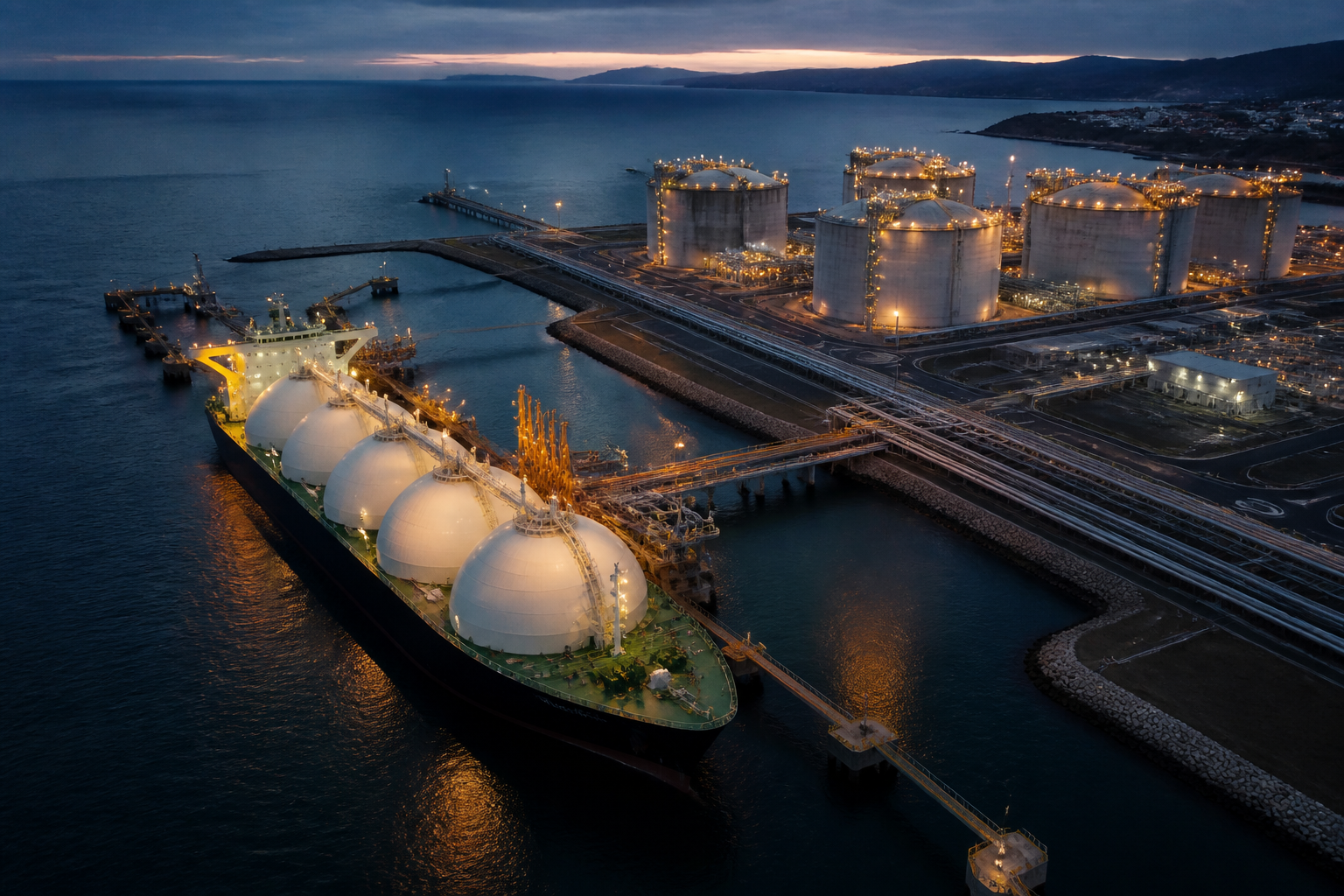
The United Arab Emirates, through the Abu Dhabi National Oil Company (Adnoc), has signalled its intent to remain a central pillar of the global energy architecture for decades to come. The announcement of an expansion push exceeding $8 billion into gas infrastructure is a testament to the belief that natural gas will serve as the indispensable bridge fuel of the twenty-first century. This investment is not an isolated event but part of a broader regional trend where petrostates are leveraging their massive fiscal reserves to lock in long-term supply agreements. By expanding liquefaction and transport capabilities, Adnoc is positioning itself to capture the demand growth emanating from emerging economies in Asia and a Europe still grappling with the long-tail effects of its decoupling from Russian supply. The sheer scale of this capital expenditure reflects a calculated bet that the global appetite for gas will remain robust even as renewable capacity increases, providing a hedge against the inherent intermittency of solar and wind power.
The Geopolitical Risk Premium and Market Volatility
Market sentiment remains tethered to the volatile dynamics of the Middle East, specifically the precarious state of maritime trade through the Strait of Hormuz. As diplomatic efforts to secure lasting stability in the region falter, the oil markets have responded with a predictable hardening of prices. This geopolitical risk premium is now a permanent feature of the energy pricing model, complicating the inflationary outlook for central banks. While the US economy shows signs of deceleration, the continued strength of consumer and business spending suggests that demand for energy remains inelastic in the face of rising costs. For firms like Nvidia and Anthropic, whose recent multi-billion dollar cloud and infrastructure deals signify the insatiable power demands of the artificial intelligence sector, the cost of energy is no longer a peripheral concern but a core operational risk. The intersection of tech-company debt insurance costs and energy volatility creates a complex macroeconomic environment where the cost of capital is inextricably linked to the stability of the global energy supply.
The Artificial Intelligence Power Crunch
One of the most significant and under-reported drivers of the current energy realignment is the exponential growth of the digital economy. The recent $9 billion cloud infrastructure deal between Anthropic and Riot Platforms underscores the massive scale of the physical assets required to sustain the AI revolution. Data centres are becoming the new industrial hubs, requiring constant, high-density base-load power that current renewable grids struggle to provide. This has led to a quiet but determined resurgence in interest for nuclear power and a continued reliance on natural gas turbines to balance the load. The energy intensity of large language models and high-performance computing is forcing a reconciliation between the tech sector’s net-zero aspirations and the reality of its consumption patterns. As tech giants move to secure their own power supplies, we are witnessing a blurring of the lines between the technology and energy sectors, with silicon and hydrocarbons becoming increasingly interdependent.
Economic Deceleration and the Resilience of Demand
Despite the cooling of the broader global economy, energy demand has shown a remarkable lack of sensitivity to the downturn. The latest updates from Deloitte and other economic monitors suggest that while growth in the US and Europe may be flagging, the structural demand for energy, driven by the electrification of transport and the digitisation of commerce, remains on an upward trajectory. This creates a challenging environment for policymakers who must balance the need for economic stimulus with the inflationary pressures of high energy prices. The Department of Energy’s focus on funding small businesses and fostering innovation in the energy economy is a recognition that the next wave of growth must be more energy-efficient. However, the transition to a more efficient economy is capital-intensive and time-consuming, leaving the global market vulnerable to supply shocks in the interim. The resilience of demand in a decelerating economy suggests that the 'old' energy economy is far from obsolete; rather, it is being forced to work harder to support a more complex and power-hungry global infrastructure.
A Forward-Looking Outlook on the Energy Equilibrium
Looking ahead toward the end of the decade, the global energy sector will likely be defined by a 'great fragmentation.' We are moving away from a globalised energy market toward a series of regional blocs defined by security alliances and infrastructure connectivity. The massive investments by Adnoc and other Gulf entities will ensure that the Middle East remains the world's central energy bank, while the US and China continue their race to dominate the supply chains for critical minerals and renewable technologies. The ultimate success of the energy transition will depend not on the total replacement of fossil fuels, but on the industry's ability to integrate these legacy assets into a smarter, more diversified grid. Investors should expect a sustained period of higher-for-longer energy prices, driven by the dual pressures of infrastructure renewal and geopolitical instability. In this new era, the most successful actors will be those who can navigate the tension between the immediate necessity of energy security and the long-term inevitability of the green transition, recognising that the two are now inextricably linked in a new, more pragmatic global equilibrium.