The Dual Conundrum: Sovereign Energy Security and the Technological Efficiency Frontier
A deep analysis of how geopolitical instability in the Middle East and the soaring power requirements of artificial intelligence are reshaping global energy infrastructure and sovereign debt markets in 2026.
The global energy landscape is currently navigating a period of profound structural transformation, defined by a volatile intersection of geopolitical friction, inflationary pressure, and a radical acceleration in industrial power demand. As the third quarter of 2026 unfolds, the twin forces of persistent conflict in the Middle East and the burgeoning energy requirements of the artificial intelligence revolution have conspired to upend traditional market assumptions. While developed economies have sought to insulate themselves through a mix of renewable integration and diversified supply chains, the renewed scarcity of maritime cargoes has reintroduced the spectre of a protracted energy crunch. This instability is not merely a logistical inconvenience but a foundational economic challenge, as evidenced by the rising cost of insuring tech-company debt and the widening fiscal disparities between energy-exporting nations and those reliant on fragile international corridors. The resilience of the global order now hinges upon the ability of major players to bridge the gap between legacy fossil-fuel dependency and the next generation of high-efficiency infrastructure.
The Geopolitical Chokepoint and Maritime Scarcity
The ongoing conflict in the Middle East has transitioned from a localized security concern into a systemic threat to global trade liquidity. The scarcity of available cargoes, a direct consequence of redirected shipping lanes and increased insurance premiums, has elevated the operational costs for energy majors and national utilities alike. In Nigeria, where consumer price index figures have hovered near 15.91 percent, the domestic impact of global fuel price fluctuations is felt with particular intensity, exacerbating food inflation which recently surpassed 17.5 percent. This inflationary feedback loop is mirrored in other emerging markets that lack the fiscal headroom to subsidise energy consumption. For the Gulf states, however, the picture is more nuanced. Qatar has reported a marginal contraction in quarterly real gross domestic product, suggesting that even the most prolific exporters are not immune to the cooling effects of global trade disruptions. The premium placed on security of supply has forced European and Asian buyers to compete for a limited pool of flexible liquefied natural gas shipments, driving a wedge between market prices and the underlying cost of production.
The Data Center Revolution and Gas Turbine Resurgence
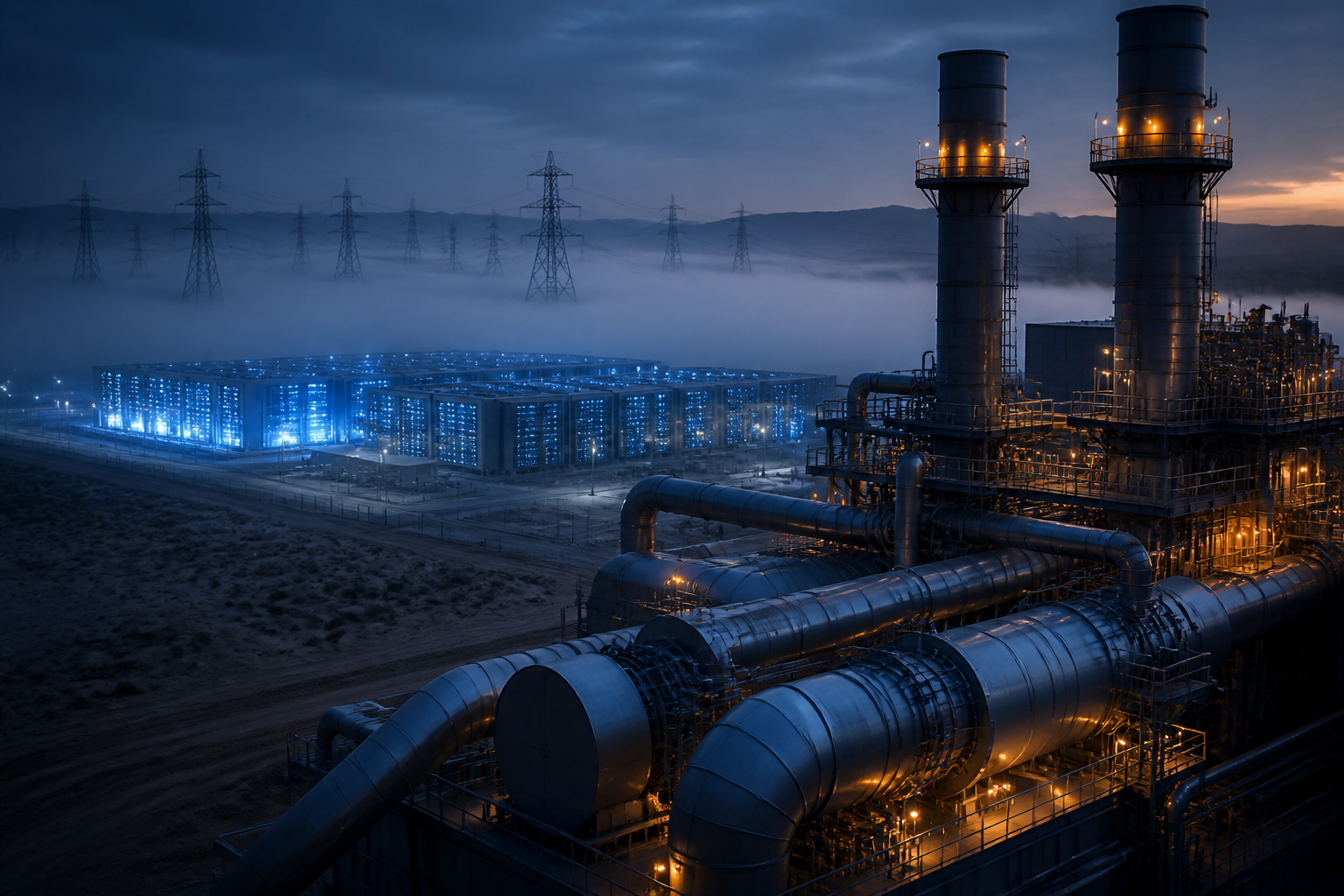
Contrary to the narrative of a seamless transition toward solar and wind dominance, the physical reality of the digital economy has triggered an unprecedented surge in demand for reliable, firm power. Data centers, the fundamental engines of the artificial intelligence boom, require a level of energy density that current battery storage technologies cannot yet sustain at scale. This has led to a remarkable revitalization of the gas turbine manufacturing sector. Industry data indicates that the severity of data center energy consumption is driving a record volume of orders for high-efficiency gas turbines, as utilities scramble to meet the growth requirements of tech giants. Marathon Petroleum and other heavyweights in the hydrocarbon processing sector have seen their valuations reach record highs, reflecting a market realization that traditional energy infrastructure remains the backbone of the technological frontier. The strategic integration of gas-fired power with intermittent renewables is no longer an option but a necessity for maintaining the grid stability required for advanced computing clusters.
Sovereign Debt and the Fiscal Implications of AI
The economic implications of this energy-tech nexus extend deep into the sovereign and corporate bond markets. Deloitte Insights has noted a rising cost in insuring the debt of major technology companies, a trend that reflects growing investor anxiety over the capital-intensive nature of AI infrastructure and its associated energy costs. For poorer countries, however, the rise of artificial intelligence presents a double-edged sword. While AI could theoretically enable these nations to leapfrog traditional development hurdles through enhanced administrative and educational efficiency, the exorbitant cost of the power required to run these systems risks creating a new digital divide. The divergence in consumer price index trends between nations like the United Arab Emirates, which maintains a stable inflation rate around 2.04 percent, and more volatile economies illustrates the widening gap between those who can afford to secure their energy future and those who are left at the mercy of the spot market.
Corporate Strategy in an Era of High Volatility
For major energy corporations such as Exxon, Chevron, and Halliburton, the current environment demands a sophisticated balancing act between upstream investment and the decarbonisation mandates of institutional shareholders. The record highs seen in the share prices of companies like Marathon Petroleum suggest that investors are rewarding firms that demonstrate operational excellence in traditional refining and distribution while simultaneously pivoting toward efficiency. This strategic shift is not merely about sustainability rhetoric but about the pragmatic reality of a high-cost environment. Utilities are facing unprecedented growth in load requirements, necessitating a move toward strategic consulting and integrated product solutions to streamline programs and deliver results. The design and build of new energy assets are increasingly focused on modularity and rapid deployment, as the lead times for traditional large-scale power plants are often incompatible with the breakneck speed of technological expansion.
The European Heatwave and Regulatory Pressure
Adding to the complexity of the global energy equation is the increasing frequency of extreme weather events, which place additional strain on already stretched grids. While some analysts have expressed doubt regarding the sizeable long-term impact of European heatwaves on aggregate economic output, the immediate pressure on cooling demand and water-dependent cooling systems for nuclear and thermal plants is undeniable. These environmental pressures are coinciding with a period of intense regulatory scrutiny, as governments attempt to reconcile their climate commitments with the immediate need for energy affordability. The prospect of another energy crunch, exacerbated by the Middle Eastern situation, has forced a rethink of the pace of the green transition. Policymakers are increasingly looking toward a pragmatic middle ground that prioritises energy security through a diverse portfolio of assets, including the life-extension of existing nuclear facilities and the accelerated deployment of carbon capture technologies at gas-fired sites.
The Path Toward Technological Efficiency
The ultimate resolution of the current energy crisis will likely be found in the realm of technological efficiency rather than raw supply expansion. As the cost of energy inputs remains high, the incentive to innovate at the point of consumption has never been greater. This is particularly evident in the industrial sector, where the integration of AI-driven optimization tools is beginning to yield significant reductions in waste and heat loss. Furthermore, the development of next-generation turbines that can blend hydrogen with natural gas offers a credible pathway for decarbonising the firm power needed by the digital economy. The focus is shifting from simply procuring more molecules or electrons to maximizing the economic value derived from every unit of energy consumed. This transition toward an efficiency-first model is the only viable method for decoupling economic growth from the geopolitical risks inherent in the global energy supply chain.
A Forward-Looking Outlook on Global Stability
Looking toward the end of the decade, the global energy market will likely be defined by a new form of regionalism, where proximity to stable energy sources and high-capacity digital infrastructure determines a nation's competitive standing. The current volatility in the Middle East serves as a stark reminder that the era of cheap, frictionless energy is effectively over. For investors and policymakers, the priority must be the construction of a resilient energy architecture that can withstand both physical and economic shocks. While the rising cost of debt for tech firms and the inflationary pressures in emerging markets present significant headwinds, the concurrent surge in industrial innovation offers a reason for cautious optimism. The winners in this new landscape will be those who successfully integrate the reliable power of the past with the intelligent, efficient technologies of the future, thereby securing their place in an increasingly fragmented global economy.