The Agrarian Dilemma: Navigating The Structural Shifts In Global Food Systems
A deep analysis of the 2026 agricultural landscape, exploring the tension between volume targets and profitability, the rise of regional processing hubs, and the impact of declining net farm incomes on global food security.
The global agricultural landscape is currently traversing a period of profound structural adjustment, defined by a precarious intersection of volatile climate patterns, diminishing margins, and a fundamental shift in the economics of commodity production. By the middle of August 2026, the industry has found itself at a crossroads, where the traditional pursuit of volume is being aggressively challenged by the necessity for value-added processing and technological resilience. While historical precedents often pointed towards expansion as the primary antidote to fiscal tightening, the contemporary farmer is faced with a more complex set of variables. The recent data indicating that corn plantings reached a mere four per cent capacity in the early stages of the season, though double the previous week's figure, underscores a growing logistical and environmental constraint that threatens to undermine long-term stability. This sluggish start to the season serves as a poignant metaphor for a sector that is attempting to accelerate in the face of significant headwinds, ranging from inflationary pressures on inputs to the geopolitical fragmentation of traditional export markets.
The Strategic Pivot Towards High Value Processing
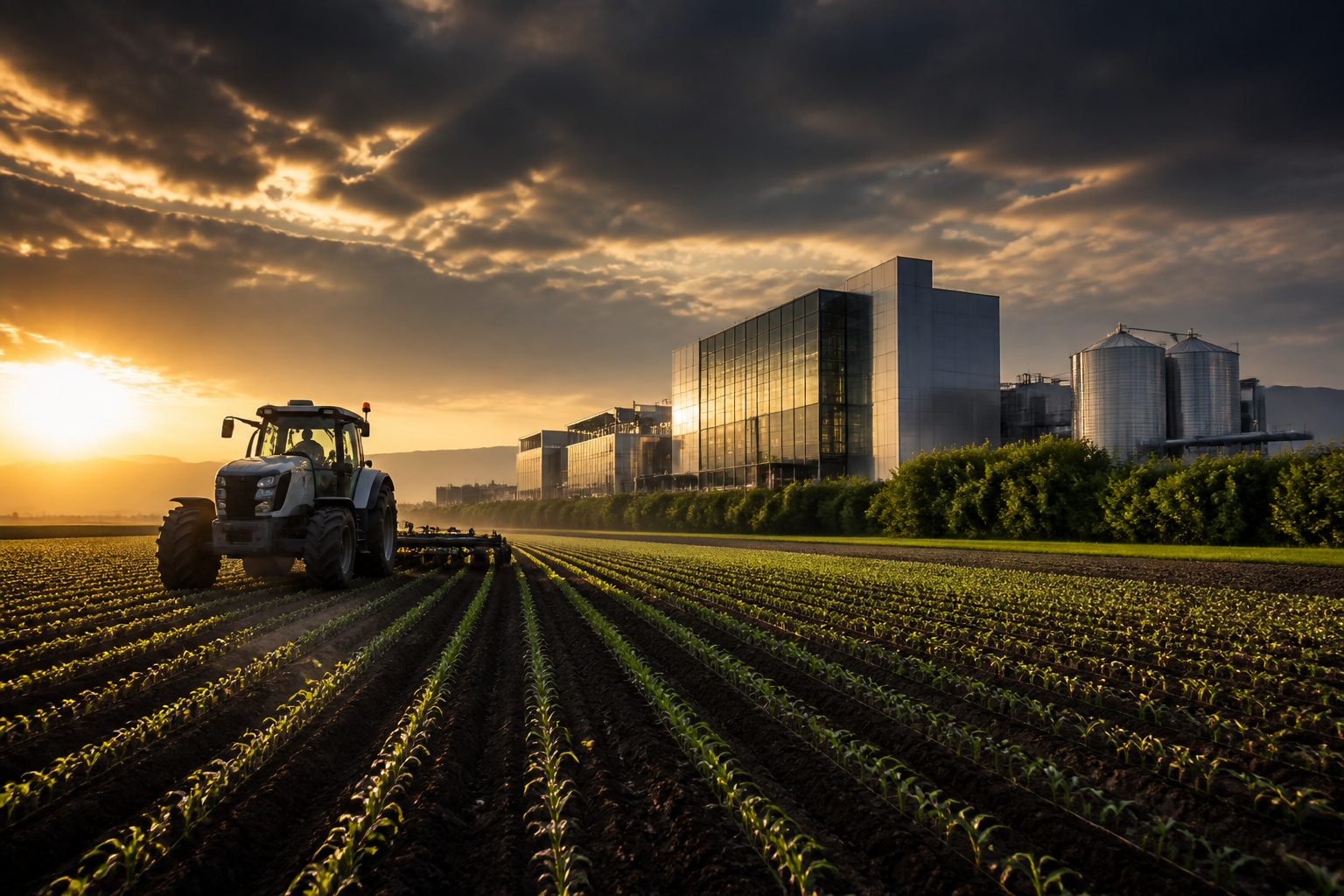
One of the most significant trends emerging in the current fiscal year is the decentralisation of the value chain, as regional governments and private enterprises seek to insulate themselves from the volatility of global commodity prices. The recent commissioning of a sophisticated food processing facility in Batiri serves as a vital case study in this transition. For northern farmers, the establishment of such infrastructure provides more than just a new market, it offers a buffer against the price fluctuations inherent in raw produce exports. By moving up the value chain, agricultural regions can capture a greater share of the final consumer expenditure, thereby retaining capital within the local economy and reducing the carbon footprint associated with long distance transport. This model of local value addition is not merely a regional phenomenon but is becoming a cornerstone of industrial strategy in diverse geographies, from the Pacific islands to the developed economies of North America and Europe. The shift from being a primary producer to a secondary processor allows for the creation of specialised, high-margin products that are less susceptible to the supply gluts that frequently depress raw commodity markets.
The Economic Contraction And The Net Farm Income Gap
While the narrative of innovation remains compelling, the underlying financial health of the sector remains under considerable strain. Analysis from the Economic Research Service (ERS) of the United States Department of Agriculture (USDA) provides a sobering perspective on the fiscal realities facing producers. The forecast of a 22.8 per cent decrease in net farm income relative to recent high-water marks signals a period of retrenchment that could stifle investment in the very technologies required for future survival. When the median farm income is adjusted for inflation and compared against the rising costs of capital, the result is a sector that is increasingly bifurcated between large-scale corporate entities and smaller family operations that are struggling to maintain solvency. This contraction is not merely a domestic issue for the United States, it reflects a broader global trend where the costs of energy, fertiliser, and debt service have outpaced the growth in commodity prices. The economic pressure is forcing a consolidation of land ownership and a re-evaluation of crop rotations, as farmers weigh the risk of high-input grains against more resilient, if less lucrative, alternatives.
Technological Integration And The Productivity Mandate
In regions such as Ontario, the focus has shifted decisively towards research and innovation as the primary drivers of future growth. The provincial emphasis on transforming farms into high-tech hubs of productivity highlights a recognition that the next era of agriculture will be defined by efficiency rather than acreage. Investing in precision agriculture, autonomous machinery, and bio-engineered seed varieties is no longer a luxury for the avant-garde but a prerequisite for staying competitive in a globalised market. By fostering new businesses and opportunities within the agri-food sector, regional economies can diversify their industrial base, creating a more resilient ecosystem that can withstand external shocks. The integration of data analytics into daily farm management allows for a more granular understanding of soil health and water usage, ensuring that every unit of input is optimised for maximum yield. This scientific approach to cultivation is essential for meeting the ambitious targets set by organisations like the National Corn Growers Association (NCGA), which is currently aiming for thirty billion bushels in new demand, a goal that can only be reached through a combination of increased productivity and the opening of new industrial applications for grain.
Regional Case Studies In Economic Resilience
Across Michigan, the collaboration between academic institutions like Michigan State University Extension and local fruit and vegetable growers provides a template for how inter-industry research can sustain employment and economic vitality. The economic importance of specialty crops in these regions cannot be overstated, as they often provide higher returns per acre than traditional row crops. However, these crops are also more labour-intensive and sensitive to climate disruptions, necessitating a robust support system that combines technical expertise with market intelligence. The role of extension services in bridging the gap between laboratory research and field application is critical. By providing farmers with the tools to manage pests, optimize irrigation, and navigate complex regulatory environments, these institutions help to maintain the viability of the agricultural sector as a major economic driver. The success of these regional models suggests that the future of agriculture may lie in a more fragmented but highly specialised network of producers who are deeply integrated with local research hubs and processing facilities.
The Challenges Of The 2026 Planting Season
As we look at the specific data from the 2026 planting season, the difficulties facing the modern farmer become even more apparent. The fact that corn plantings were at only four per cent during a critical window reflects the volatility of contemporary weather patterns and the logistical bottlenecks that can arise when supply chains are stretched thin. These delays have a compounding effect, as late planting often leads to increased vulnerability to late-summer droughts or early frosts, further imperilling the final harvest and the financial stability of the farm. The tough decisions mentioned in recent agribusiness reports are not merely about which crop to plant, but about whether to plant at all in the face of rising insurance premiums and uncertain market returns. The strategic decisions made in the early months of the year will dictate the economic health of the sector for the remainder of the decade, as the margins for error become increasingly narrow. In this environment, the ability to pivot quickly and adopt new strategies is the hallmark of a successful enterprise.
Global Supply Chains And The New Protectionism
Beyond the farm gate, the global trade environment for agricultural products is undergoing a shift towards greater protectionism and the prioritisation of national food security. Governments are increasingly viewing their agricultural sectors through the lens of national interest, leading to a rise in export restrictions and the promotion of domestic self-sufficiency. This trend complicates the efforts of international organisations to maintain a fluid global market, as the flow of essential grains and proteins is often interrupted by political considerations. The move towards local processing hubs, as seen in Fiji and North America, is partly a response to these global uncertainties. By reducing dependence on international shipping lanes and volatile foreign markets, nations can ensure a more stable supply of food for their populations. However, this shift also risks increasing the cost of food for consumers in regions that lack the domestic capacity to produce a diverse range of agricultural goods, leading to a complex balancing act between security and affordability.
Future Outlook And Strategic Imperatives
The long-term outlook for the global agri-food sector is one of guarded optimism, tempered by the reality of the significant hurdles that remain. The transition from a volume-based economy to a value-based one is well underway, but it requires sustained investment in infrastructure and a commitment to innovation that can weather periods of low profitability. The coming years will likely see a continued emphasis on sustainable practices, as both consumers and regulators demand greater transparency and a lower environmental impact from the food industry. For the individual farmer, the imperative will be to embrace technological change while seeking out new market opportunities that offer higher margins than traditional commodities. For policymakers, the challenge will be to support this transition through targeted investments in research and the development of processing capacity, ensuring that the agricultural sector remains a cornerstone of economic stability. As the industry looks towards the end of the decade, the focus must remain on building a food system that is not only productive but also resilient, adaptable, and fiscally sustainable in an era of unprecedented change.