The Refined Reality: Navigating the Fragmentation of Global Energy Markets
An analytical review of the decoupling of crude and refined energy prices, the rising costs of maritime and terrestrial logistics, and the strategic pivot toward clean energy infrastructure in the United Kingdom and America.
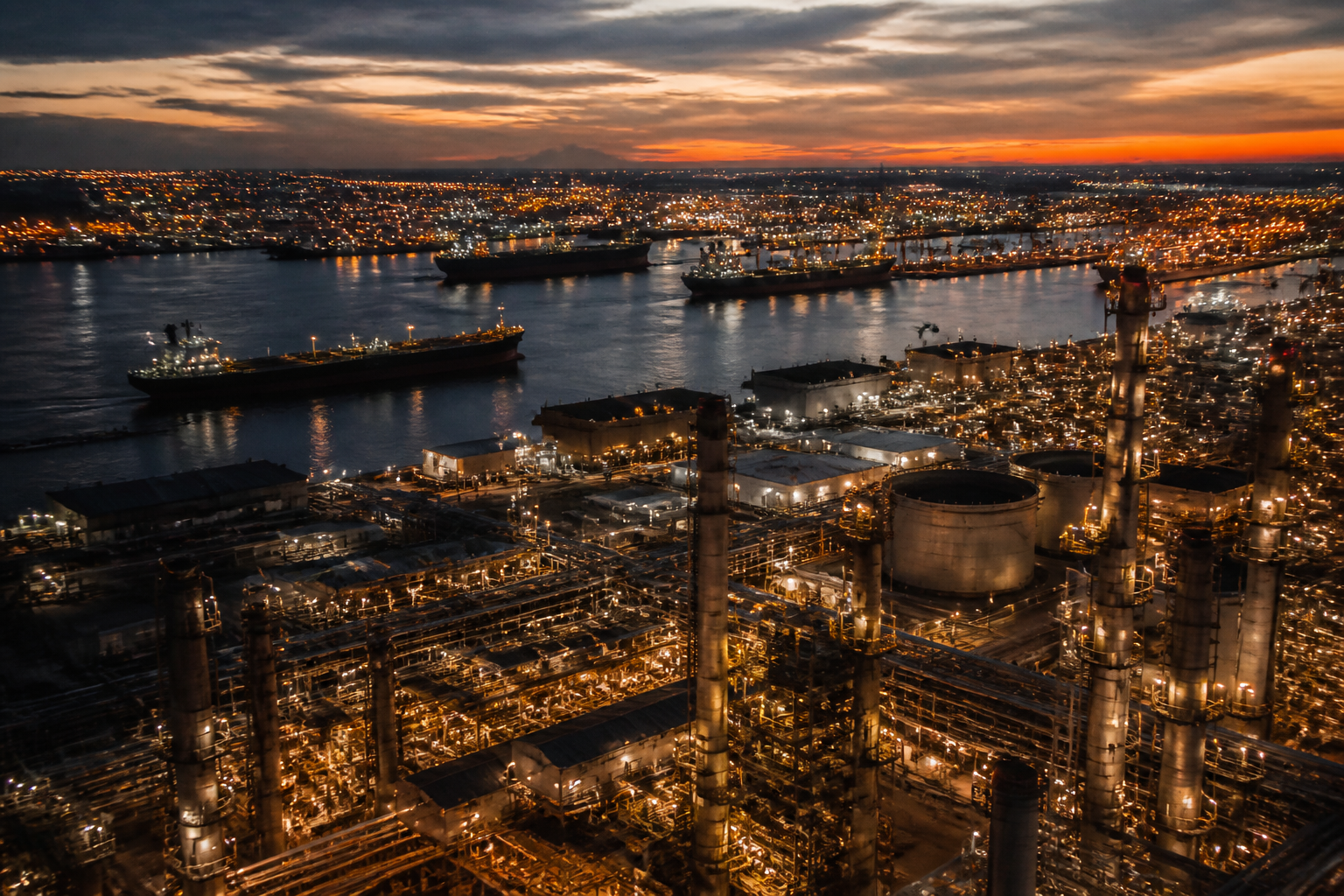
The global energy landscape is currently undergoing a quiet yet profound transformation, one defined less by the headline volatility of crude oil prices and more by the widening structural disconnect between raw commodities and the refined products that power the modern economy. While the price of Brent or West Texas Intermediate often dominates the financial press, a deeper malaise is stirring within the downstream and midstream sectors. Refined product prices, particularly for diesel and aviation fuel, remain stubbornly elevated relative to the price of the underlying crude, a phenomenon that suggests a systemic bottleneck in global refining capacity. This divergence is not merely a transient market glitch, it is an indicator of a world where the infrastructure of the old energy order is struggling to keep pace with the fragmented demands of a geopolitical landscape in flux, even as the momentum for a decarbonised future accelerates under the weight of massive state led investment programmes.
The Widening Crack Spread and Refining Constraints
The current economic climate, as observed by analysts at Deloitte, highlights a persistent premium on refined energy products that continues to defy traditional historical correlations. This elevated spread is a symptom of a global refining sector that has seen years of under-investment, compounded by the closure of older facilities in Europe and North America that were deemed either too carbon intensive or commercially unviable during the height of the pandemic. As a result, when demand for high value distillates rises, the system lacks the elasticity to respond. This lack of resilience has significant implications for global inflation, as the cost of diesel remains a primary driver for the industrial and agricultural sectors. Even if the Organisation of the Petroleum Exporting Countries, along with its allies, manages to stabilise the price of crude, the end user remains exposed to the inefficiencies of a refining complex that is currently operating near the limits of its sustainable capacity.
The Escalating Burden of Logistical Friction
Closely linked to the refining bottleneck is a sharp and sustained increase in the cost of transporting energy and goods. Data indicates that trucking and cargo shipping rates have reached their highest levels in several years, yet this surge is not exclusively a function of fuel prices. Instead, it reflects a broader rise in operational costs, including labor shortages, increased insurance premiums for volatile shipping routes, and the rising capital costs of fleet modernisation. For companies such as Halliburton and Schlumberger, which facilitate the extraction and movement of hydrocarbons, these logistical hurdles represent both a challenge and an opportunity to deploy new technological solutions. The friction in the supply chain is creating a floor for inflation that central banks may find difficult to lower, as the structural costs of moving energy from the wellhead to the refinery, and finally to the consumer, are being permanently reset at a higher equilibrium.
Strategic Consolidation in the Upstream Sector
Within the equity markets, the response to this environment has been a renewed focus on scale and efficiency. Major players such as Exxon and Chevron have continued to streamline their portfolios, while mid tier producers like Expand Energy, EQT Production Company, and Ovintiv are becoming central to the conversation regarding North American energy security. The recent movements in the share prices of these firms suggest that investors are no longer purely chasing growth in production volumes. Instead, there is a premium placed on firms that can demonstrate capital discipline and robust free cash flow in an environment of high operational costs. The consolidation of natural gas assets, led by companies like EQT, reflects a strategic bet on the long term necessity of gas as a transition fuel, especially as Europe seeks to permanently replace Russian pipeline supplies with liquefied natural gas sourced from more stable jurisdictions.
The Role of Artificial Intelligence and Data Analytics
As the industry grapples with physical constraints, the role of high level data analytics has moved from the periphery to the centre of corporate strategy. The recent market performance of Palantir, which has seen significant momentum following its earnings reports, underscores the growing reliance of the energy sector on artificial intelligence to optimise complex supply chains and predictive maintenance. In the Permian Basin and the North Sea, the deployment of machine learning algorithms allows producers to identify efficiencies that were previously invisible, mitigating some of the inflationary pressures mentioned earlier. By integrating disparate data sets, from geological surveys to real time shipping telemetry, these technology firms are providing the tools necessary for energy companies to maintain margins in an increasingly expensive operating environment. This digital layer is becoming as critical to energy security as the physical pipelines themselves.
State Intervention and the Clean Energy Pivot
Parallel to the struggles of the hydrocarbon sector is an unprecedented wave of government backed investment into clean energy infrastructure. In the United States, the Biden-Harris administration has overseen a massive influx of both federal and private capital aimed at building a domestic supply chain for renewable technologies. This is mirrored in the United Kingdom, where the transition toward offshore wind and hydrogen production is viewed as a prerequisite for long term economic sovereignty. These investments are not merely environmental gestures, they are industrial policies designed to insulate domestic economies from the volatility of global commodity markets. However, the transition is not without its own inflationary risks, as the demand for copper, lithium, and rare earth minerals creates new dependencies and potential bottlenecks that resemble the very oil shocks the world is trying to move beyond.
Natural Gas as the Indispensable Bridge
The narrative of a rapid exit from fossil fuels is increasingly being tempered by the reality of baseload power requirements. Natural gas remains the indispensable bridge in this transition, a fact reflected in the strategic positioning of firms like Baker Hughes and the continued relevance of the Marcellus and Utica shales. As intermittent renewable sources like wind and solar take up a larger share of the grid, the need for flexible, gas fired peaking plants becomes more acute. This ensures that natural gas will remain a cornerstone of the global energy mix for decades, providing a hedge against the technological and logistical delays inherent in the massive rollout of battery storage and nuclear power. The challenge for policymakers is to maintain a regulatory environment that encourages gas production while simultaneously enforcing the carbon capture standards necessary to meet net zero obligations.
Forward Looking Perspective for the Energy Complex
Looking ahead, the energy sector is likely to remain in a state of bifurcated growth. On one hand, the legacy hydrocarbon industry will continue to generate significant cash flows as long as refining and logistical constraints keep product prices high. On the other, the rapid scaling of clean energy will create a new class of industrial titans supported by state subsidies and the global mandate for decarbonisation. The primary risk to this outlook is the potential for a geopolitical event to further disrupt maritime trade routes, which would exacerbate the already high costs of transport and insurance. Nevertheless, the integration of advanced analytics and a renewed focus on domestic energy security suggests that the industry is becoming more resilient. For the investor and the policymaker alike, the coming years will require a sophisticated understanding of how these two energy worlds, the old and the new, coexist and compete within a fragmented global economy.