The New Industrial Enlightenment: Capital Cycles and the Reconstruction of Global Innovation
This comprehensive analysis explores the resurgence of startup ecosystems, the impact of artificial intelligence on market entry, and the massive shift toward sovereign-scale investments in semiconductor, quantum, and aerospace sectors.
The global economic architecture is currently witnessing a profound realignment, one characterised by a record-breaking surge in business formation and a renewed faith in the transformative power of frontier technology. Even as geopolitical tensions between Washington and Beijing necessitate a delicate diplomatic dance to stabilise trade ties, the underlying momentum of private investment remains undeterred. The contemporary landscape is defined by an intersection of massive capital deployment and scientific breakthroughs, with figures such as Jeff Bezos committing thirty billion dollars of personal fortune into Blue Origin to secure a foothold in the orbital economy. This is not merely a cycle of speculative exuberance, rather, it represents a structural shift where the epicenter of innovation has moved toward artificial intelligence, quantum computing, and autonomous systems. As regional hubs from Pasadena to Alexandria foster local ecosystems through mentoring and investor connectivity, the broader global trend suggests a move away from purely digital services toward a hard-tech renaissance that seeks to solve fundamental physical constraints.
The Strategic Imperative of Frontier Technologies
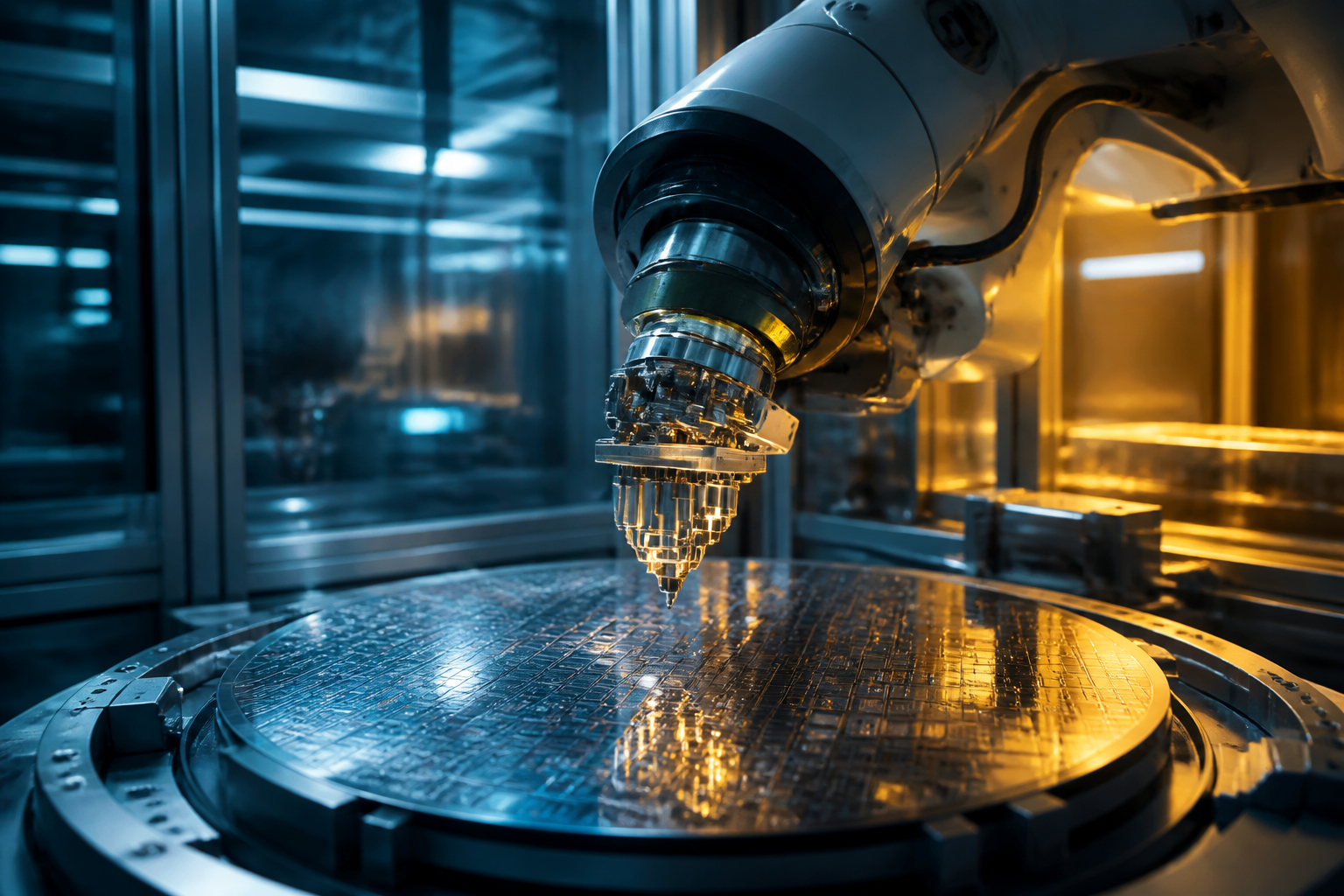
The current era of innovation is distinguished by its focus on what economists term breakthrough technologies, encompassing semiconductors, quantum innovation, and frontier energy systems. Unlike the software-centric booms of the previous decade, the present movement is deeply rooted in the physical and material sciences. The Harvard Kennedy School has recently highlighted how public-private scientific collaboration, often referred to as the Endless Frontier, is essential for translating laboratory research into regional prosperity. This model of innovation is particularly evident in the semiconductor industry, where the necessity for domestic manufacturing capabilities has triggered a massive influx of private investment. These sectors require capital-intensive development cycles that were once the sole province of state actors, yet the modern market sees a fusion of venture capital and strategic industrial policy. By focusing on drones, autonomous systems, and advanced energy, the global innovation engine is pivoting toward solutions that offer long-term productivity gains rather than short-term consumer convenience. This shift is essential for nations seeking to maintain a competitive edge in an increasingly fragmented global trade environment.
The Proliferation of New Market Entrants
Statistical data provided by the Research Center at the CCIA underscores a remarkable period of business formation, with new entrants founded no earlier than 2015 leading the charge in artificial intelligence. This influx of competition is a vital sign of market health, as it prevents the ossification of established industries and forces incumbents to accelerate their own research and development programmes. The dynamism of these new firms is not confined to Silicon Valley, instead, it is a decentralised phenomenon that leverages global talent pools. The barriers to entry for complex technology firms have been lowered by the availability of cloud-based infrastructure and modular development tools, allowing small teams to achieve results that previously required thousands of employees. This democratisation of high-end innovation ensures that the next generation of economic growth will be driven by a diverse array of actors, each competing to redefine the standards of efficiency and capability. The record-breaking levels of entry suggest that the global economy is in the midst of a significant creative destruction phase, where legacy business models are being systematically replaced by agile, AI-first organisations.
Regional Ecosystems and the Localisation of Growth
While the macro-economic narrative focuses on global superpowers and billionaire investors, the role of municipal and regional innovation hubs remains a critical component of the broader success story. In locations such as Pasadena, California, the Economic Development Division and organisations like Innovate Pasadena have successfully cultivated environments where startups can thrive through Connect Week initiatives. These events, mirrored by similar efforts such as Glendale Tech Week, draw thousands of attendees and provide the necessary networking infrastructure for early-stage companies to find their footing. Similarly, programs like Accelerate ALX in Alexandria provide mentoring and expert instruction to ensure that small businesses remain the backbone of the city's economy. These local efforts are not isolated, they are the vital conduits through which global capital flows into specific, tangible projects. By offering opportunities to connect with customers and investors, these regional ecosystems ensure that innovation is not restricted to a few elite corridors but is instead distributed across various urban centers, each leveraging its unique academic and industrial strengths.
The Capital Intensity of Modern Ambition
One of the most striking features of the current innovation cycle is the sheer scale of investment required to compete at the frontier. The thirty billion dollar commitment by Jeff Bezos to Blue Origin is emblematic of a new category of entrepreneurship that operates at a sovereign scale. These investments are directed toward sectors where the return on capital may not be realised for decades, such as space exploration, deep-sea mining, or fusion energy. This patient capital is a necessary counterbalance to the quarterly-earnings focus of public markets, providing the stability needed for fundamental scientific research. Furthermore, the push for semiconductor self-sufficiency has necessitated similar levels of investment from both the private sector and government entities. The interplay between these massive capital pools and the innovative agility of smaller startups creates a tiered ecosystem where large-scale infrastructure provides the foundation upon which more specialised firms can build. This capital intensity also acts as a strategic buffer, ensuring that the most critical technologies of the future are developed with sufficient resources to overcome the inevitable technical hurdles that accompany frontier research.
Navigating Geopolitical and Economic Uncertainty
The pursuit of innovation does not occur in a vacuum, it is inextricably linked to the shifting sands of international diplomacy. The recent summit between the Trump administration and President Xi Jinping highlights the ongoing effort to stabilise ties between the world's two largest economies. For the technology sector, this stability is paramount, as global supply chains remain deeply integrated despite the prevailing rhetoric of decoupling. The squashing of measures to end regional conflicts, such as the ongoing tensions involving Iran, further complicates the operational environment for international firms. Startups and established tech giants alike must navigate a complex regulatory landscape where national security concerns often dictate the flow of investment and talent. Despite these challenges, the resilience of the innovation sector is evident in its ability to adapt to new geopolitical realities. The focus on regional manufacturing and domestic supply chain resilience is a direct response to these uncertainties, ensuring that the next wave of technological progress is not derailed by external shocks.
The Structural Evolution of Artificial Intelligence
Artificial intelligence remains the primary catalyst for the current surge in business formation and investment. However, the nature of AI innovation is evolving from general-purpose models toward specialised, industry-specific applications. The CCIA has noted that the most significant growth is occurring in firms that integrate AI into existing sectors like healthcare, logistics, and manufacturing. This move toward applied intelligence represents the second phase of the AI revolution, where the focus shifts from theoretical capability to practical utility. This transition is crucial for ensuring that AI contributes to broad-based economic prosperity rather than just enriching a few technology conglomerates. As companies develop proprietary datasets and niche expertise, the competitive landscape becomes more nuanced, allowing for a multitude of winners in different vertical markets. The integration of AI into the physical world, through robotics and autonomous systems, further extends the reach of this technology, creating new opportunities for startups to disrupt traditional industries that have long been resistant to digital transformation.
A Forecast for the Innovation Economy
Looking ahead, the trajectory of global innovation appears robust, albeit tempered by the need for strategic caution. The combination of massive private investment, active regional ecosystems, and a focus on frontier technologies suggests a sustained period of economic renewal. The move toward hard-tech and physical sciences will likely continue to attract significant capital, as the world seeks to address pressing challenges in energy, transport, and manufacturing. The role of the state in fostering these developments will remain critical, not through heavy-handed intervention, but through the facilitation of public-private partnerships that de-risk fundamental research. As the diplomatic landscape evolves, the ability of firms to operate across borders while maintaining domestic security will be the defining skill of the next generation of corporate leaders. The record-breaking levels of innovation and investment observed in recent years are not a fluke, they are the harbingers of a more technologically advanced and economically resilient future. The success of this new era will depend on the continued collaboration between scientists, entrepreneurs, and policymakers, ensuring that the fruits of innovation are harnessed to drive long-term prosperity for all levels of society.